Every athlete, from the weekend warrior to the seasoned competitor, has faced the same question: 'Is this pain serious, or can I just walk it off?' The temptation is to reach for an ice pack, take a few days off, and hope for the best. While rest is a crucial part of recovery, some injuries whisper warnings that shouldn't be ignored. Overlooking these signs can turn a minor issue into a chronic problem, keeping you on the sidelines for far longer than necessary. Understanding the difference between normal training fatigue and a genuine injury is the first step towards a smart, swift recovery.
Sign 1: The Pain Lingers or Gets Worse
It's important to distinguish between the expected muscle soreness after a tough workout (Delayed Onset Muscle Soreness or DOMS) and the pain that signals an injury. DOMS typically feels like a generalised ache, peaks around 48 hours after exercise, and then subsides. Injury pain, however, behaves differently. It might be sharp, stabbing, or a persistent, deep ache that doesn't go away with rest. If the pain lasts for more than a few days, gets worse with specific movements, or is present even when you're not active, it's a clear indication that your body needs more than just time. This is your body's alarm system telling you that an underlying structure—like a tendon, ligament, or muscle fibre—is damaged and requires a proper assessment.
Sign 2: You've Lost Range of Motion or Strength
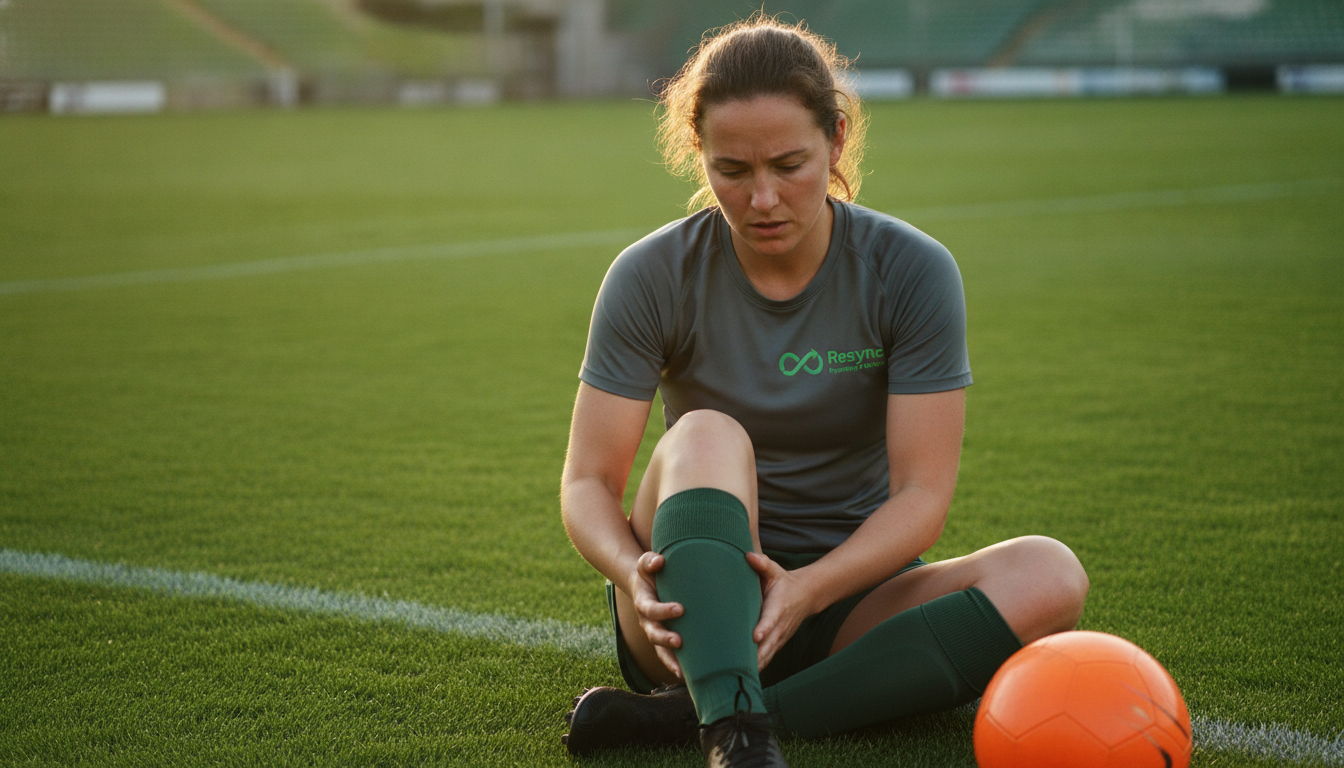
Can you no longer lift your arm fully overhead? Does your knee feel too stiff to bend completely? A noticeable loss in your normal range of motion is a significant red flag. This stiffness is often the body's protective mechanism to guard an injured area against further damage. Similarly, a sudden or progressive weakness in a specific muscle group is cause for concern. For example, if you suddenly find it difficult to push off with one foot when running or can't generate the same power in your tennis swing, it suggests that the injury is affecting your muscle function. These are not symptoms to push through; they are clear signs that require an expert diagnosis to understand the extent of the tissue damage.
Sign 3: It's a Recurring Problem
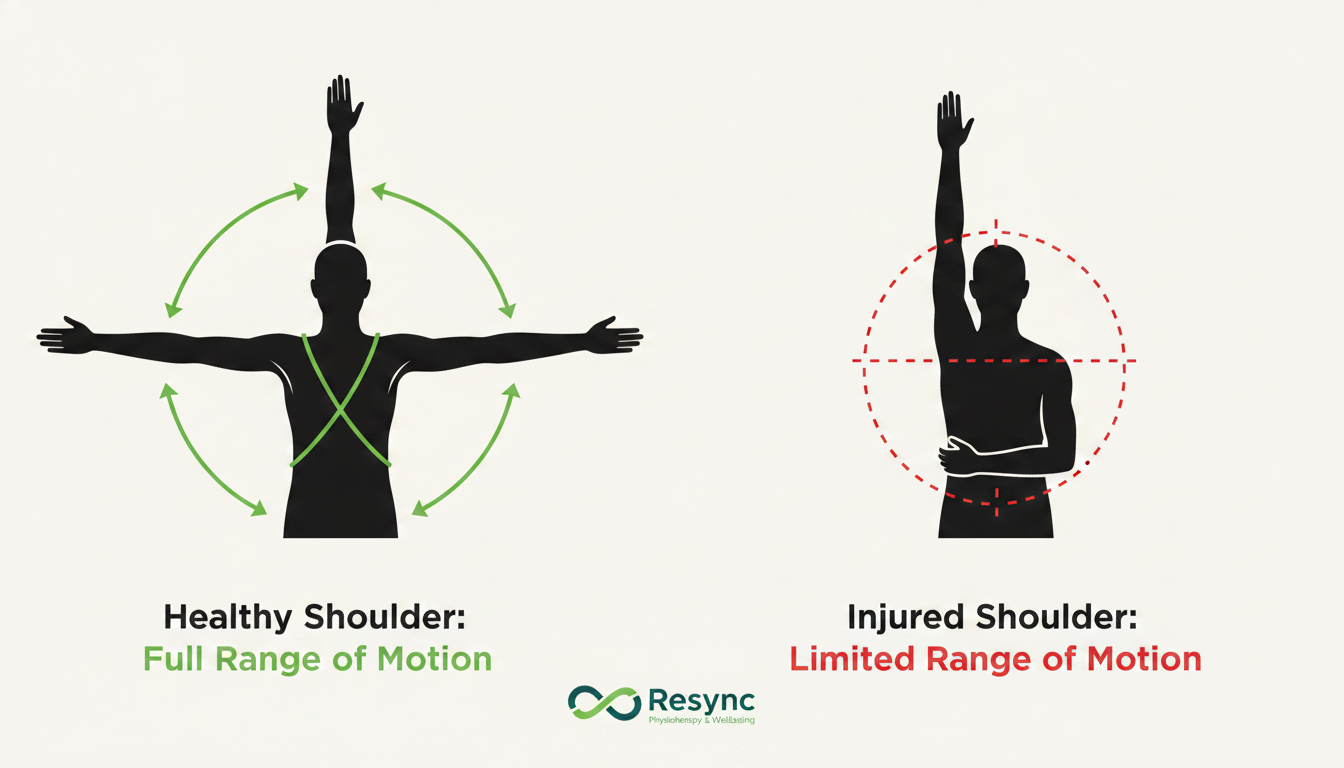
The same hamstring strain flaring up every time you sprint? That familiar twinge in your lower back after every long run? A recurring injury is one of the most frustrating experiences for any athlete. It's a clear signal that the root cause of the problem has never been properly addressed. Simply resting until the pain subsides doesn't fix underlying issues like muscle imbalances, poor biomechanics, or inadequate strength in supporting muscle groups. A physiotherapist can perform a comprehensive assessment to identify why the injury keeps happening and create a targeted rehabilitation plan to break the cycle for good, building resilience to prevent future flare-ups.
Sign 4: You're Modifying Your Movement to Avoid Pain
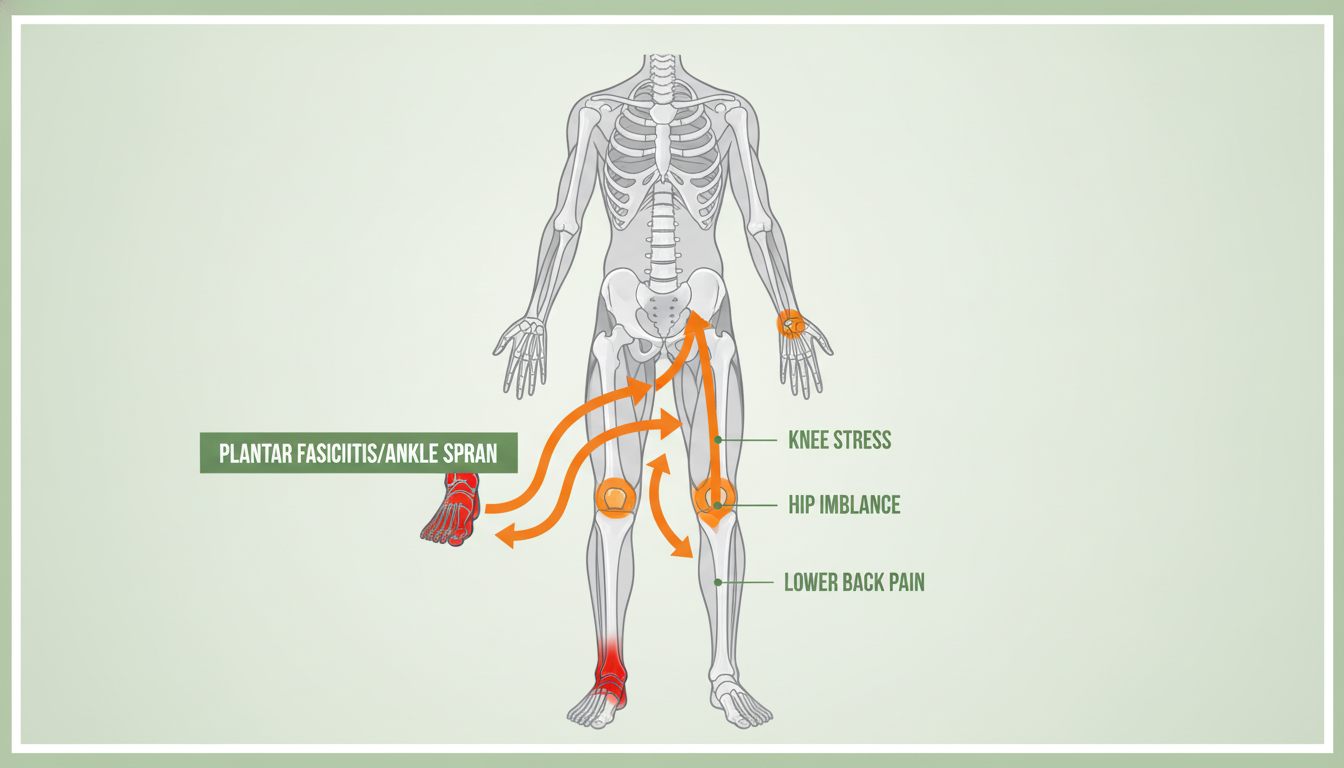
Have you started to limp slightly to take the pressure off a sore ankle? Or perhaps you've changed your golf swing to avoid that pinch in your shoulder? This is called compensation, and while it might provide temporary relief, it's a dangerous long-term strategy. When you alter your natural movement patterns, you place unnatural stress on other parts of your body. That slight limp can lead to knee, hip, or even lower back pain as those joints are forced to take on loads they weren't designed for. A physiotherapist is trained to spot these compensatory patterns and will work not only on the initial injury but also on restoring your correct, efficient movement to prevent a cascade of new problems.
Sign 5: Your Performance is Declining
Sometimes the most telling sign of an injury isn't sharp pain, but a slow, unexplainable drop in your performance. You might feel like you've lost a step, your agility isn't what it used to be, or you're hesitating before making movements that once felt automatic. Your body is incredibly smart and will subconsciously hold back to protect a vulnerable area, even if you're not feeling acute pain. This can manifest as a lack of power, reduced endurance, or a loss of confidence in your body's ability to perform. If your times are getting slower or you just feel 'off' your game, it's worth investigating if an underlying physical issue is holding you back.
If any of these signs sound familiar, it’s time to stop guessing and start recovering. An untreated injury can steal the joy from your sport and compromise your long-term health. Our expert physiotherapists in Balsall Common are here to provide a clear diagnosis and a personalised, evidence-based treatment plan focused on your specific goals. We'll help you overcome pain, restore movement, and build the strength you need to return to your sport with confidence. Take the first step towards your comeback and book your initial assessment today.