For any active person, whether you're a dedicated runner, a weekend football player, or a fitness enthusiast, there are few things more frustrating than the sharp, sudden pain of a hamstring strain. The immediate advice from well-meaning friends is almost always the same: “just rest it.” But as weeks turn into a month, and that first tentative jog brings back the same familiar twinge, you realise that rest alone isn't a strategy for recovery. It's a pause button that often leads to a cycle of re-injury, chipping away at your confidence and keeping you on the sidelines.

Stage 1: The Acute Phase – Calm and Control
The first 48-72 hours after an injury are critical for setting the stage for a successful recovery. The primary goal is to manage pain and inflammation without completely shutting down the healing process. This phase is less about passive rest and more about active management. This includes protecting the injured muscle from further strain, but also applying gentle load when appropriate to stimulate healing.
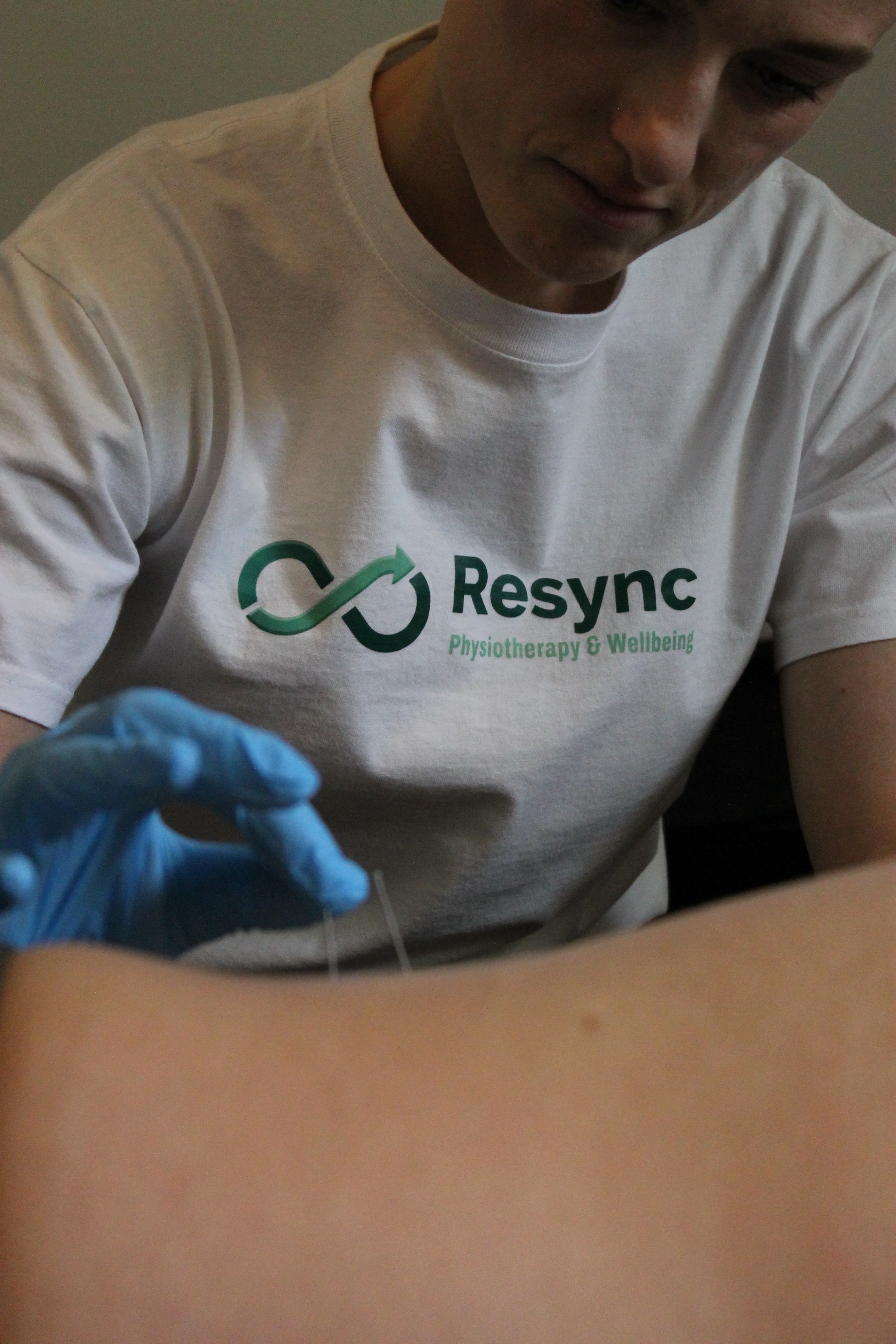
However, the single most important step in this phase is getting an accurate diagnosis. A mild pull feels very different from a significant tear, and the treatment plan will vary dramatically. A professional physiotherapy assessment can determine the grade of your strain, identify the precise location of the injury, and rule out more serious issues. This expert clarity is the foundation of your entire recovery plan, preventing you from doing too much too soon or too little for too long.
Stage 2: The Rehabilitation Phase – Rebuild and Restore
Once the initial pain and swelling have subsided, you enter the most crucial phase of recovery: rehabilitation. This is where the real work of healing begins. Simply waiting for the pain to disappear without actively rebuilding the muscle is a recipe for chronic weakness and recurring injuries. The goal here is to restore the hamstring's strength, flexibility, and endurance through a progressive and targeted exercise program.
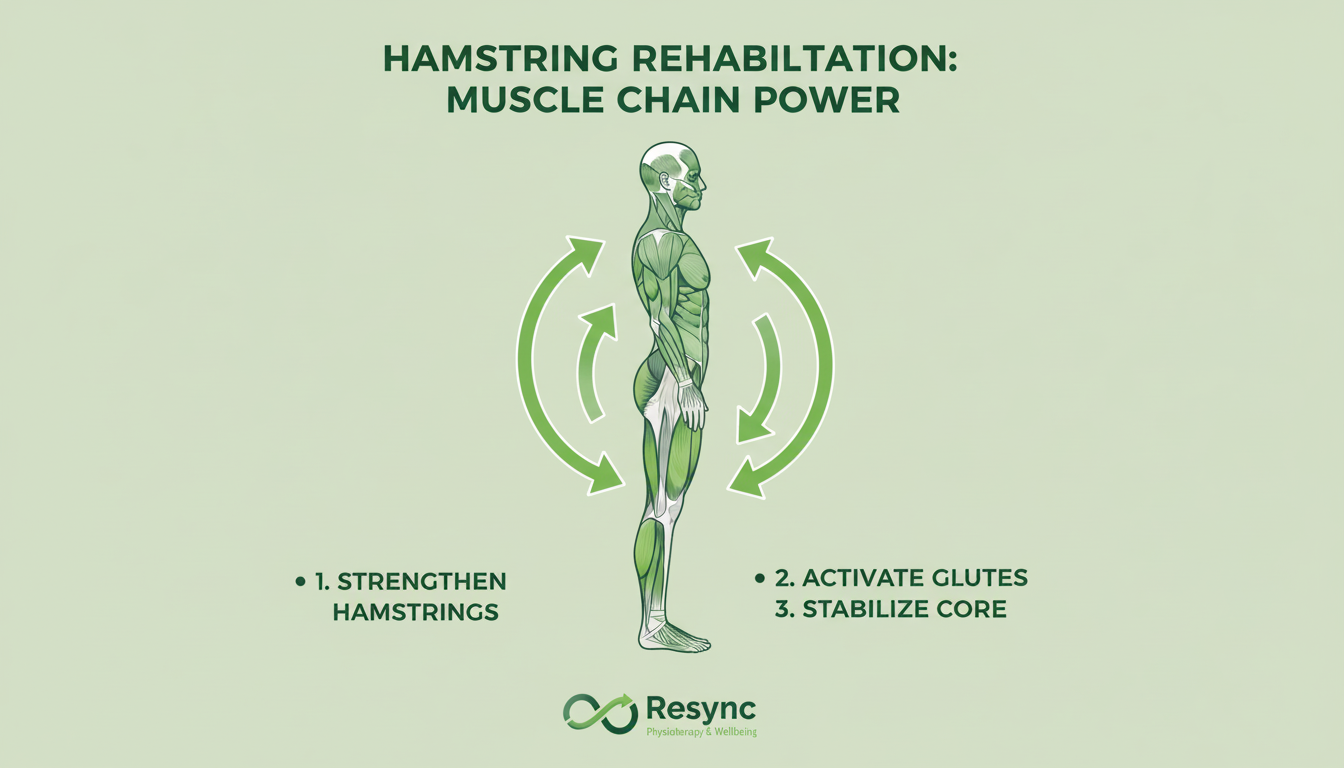
This involves more than just hamstring curls. A comprehensive rehabilitation plan addresses the entire functional chain of muscles, including your glutes, core, and lower back. Weakness in these supporting areas often contributes to hamstring overload in the first place. Under expert guidance, you'll work through a carefully sequenced program designed to:
**Re-establish pain-free movement** and flexibility.
**Build foundational strength** in the injured hamstring and surrounding muscles.
**Improve muscular control** and coordination to protect the healing tissue.
This structured approach ensures the muscle fibres heal in an organised, resilient way, creating a strong scaffold for future performance.
Stage 3: The Return-to-Sport Phase – Reload and Relaunch
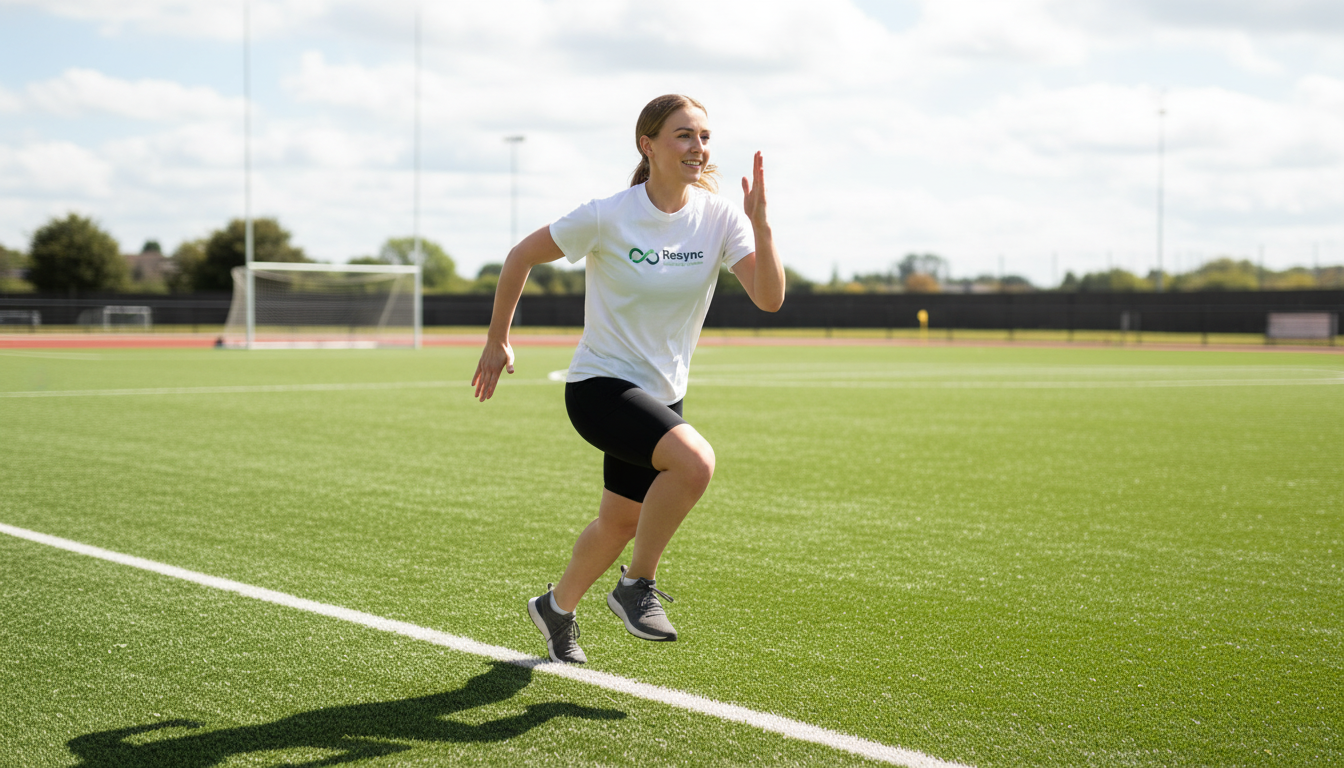
Feeling pain-free during daily activities is a fantastic milestone, but it doesn't mean your hamstring is ready for the explosive demands of your sport. This final phase is about bridging the gap between the controlled environment of the clinic and the unpredictable nature of the field or track. The key is to gradually reintroduce sport-specific movements to build both the muscle's capacity and your confidence.
This stage is highly personalised and might include:
A structured return-to-running program, starting with slow jogs and progressing to sprints.
Agility drills that involve changing direction, accelerating, and decelerating.
Drills that mimic the specific actions of your sport, such as kicking a ball or jumping.
By systematically increasing the load and intensity, you are re-training your hamstring to handle the forces it will encounter during competition. This methodical process is the ultimate form of injury prevention, ensuring you don’t just return to your sport, but return to perform at your best, free from the fear of that all-too-familiar twinge.
Your Comeback Starts with a Clear Plan
A successful comeback from a hamstring strain requires more than just time; it requires a smart, structured, and strategic plan. Navigating the journey from acute pain management, through targeted rehabilitation, and back to high-performance sport is a process that thrives on expert guidance. Guessing your way through recovery can lead to frustrating setbacks, but a structured approach ensures you not only heal properly but come back stronger and more resilient than before.
If you're tired of the endless cycle of rest and re-injury, let us help you build your personalized recovery roadmap. Don't guess your way through recovery. Book Your Assessment today for a personalised plan.