For any athlete, the road back from an injury is a journey of patience, hard work, and determination. Yet, reaching the finish line of recovery often brings a new, persistent fear: the thought of getting injured all over again. This anxiety can hold you back, making you play tentatively and preventing you from reaching your peak performance. But what if you could shift your focus from simply recovering to building a more resilient, 'bulletproof' body? True athletic longevity isn't about bouncing back from injury; it's about making sure it doesn't happen in the first place. Viewing prevention as the ultimate performance enhancer is the key to a long and successful sporting life.
Strategy 1: Identify and Address Muscle Imbalances
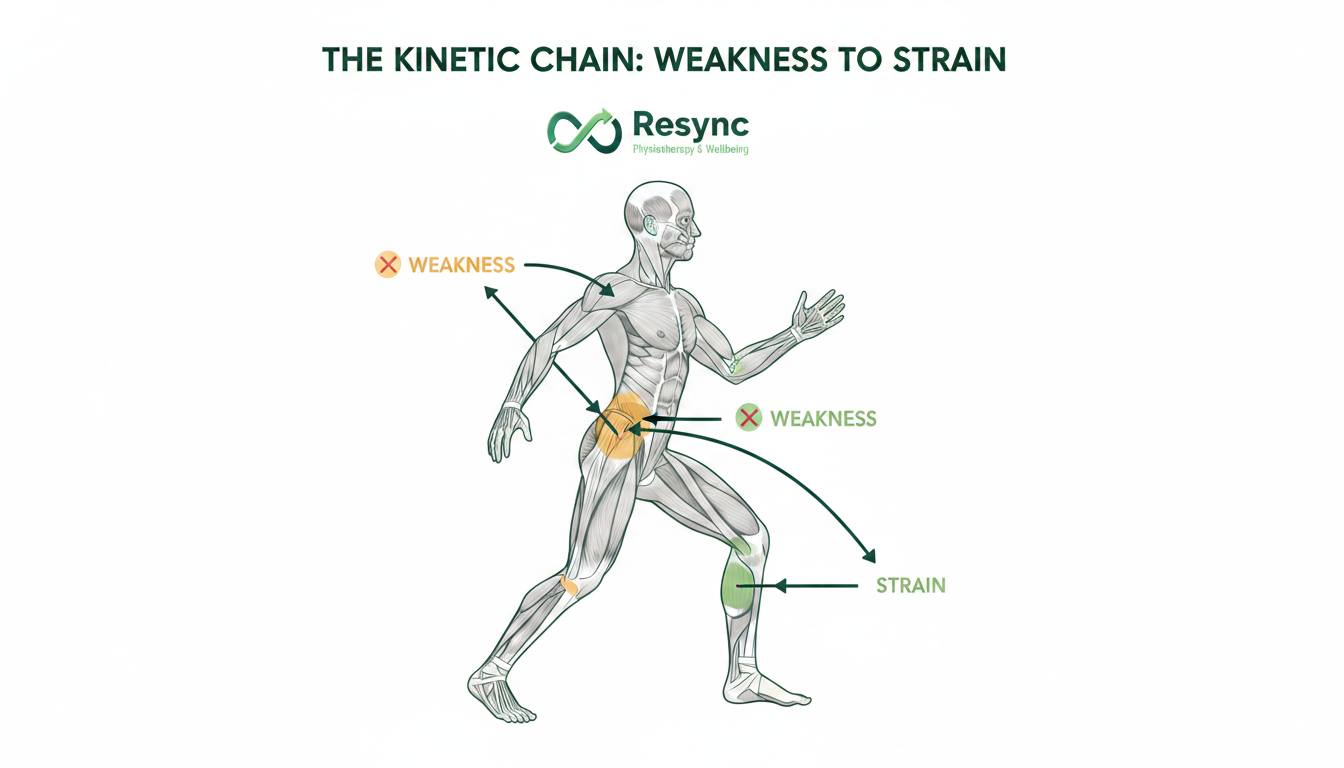
Your body operates as a connected system, often called a kinetic chain. When one part of that chain is weak or inactive, other muscles are forced to overcompensate, leading to strain, fatigue, and eventual injury. It's a common story: a runner with a recurring hamstring strain might actually have weak or underactive glute and core muscles. The hamstrings are simply working overtime to make up for the lack of power from the primary movers. Over time, this overload leads to breakdown. A professional physiotherapy assessment is crucial for pinpointing these hidden imbalances. Through targeted testing and analysis, a physio can identify which muscles aren't firing correctly and create a specific strengthening program to restore balance and protect your body from compensatory strain.
Strategy 2: Master Your Movement Patterns
Having strong muscles is only part of the equation; knowing how to use them efficiently is just as critical. Poor biomechanics—the way you move your body during a specific action—are a leading cause of overuse injuries. Whether it's a subtle flaw in your running gait, an incorrect form while lifting weights, or an inefficient swing in your chosen sport, repetitive movements with faulty patterns place unnecessary stress on your joints, tendons, and ligaments. Even small, seemingly insignificant errors, when repeated thousands of times, can lead to significant problems like runner's knee, shin splints, or shoulder impingement. A trained physiotherapist can analyse your movement patterns to identify these inefficiencies and provide corrective exercises and cues to help you move more safely and powerfully, reducing wear and tear and improving your overall performance.
Strategy 3: Implement Smart Training Loads
One of the most common pitfalls for enthusiastic athletes is doing 'too much, too soon.' After a period of rest or recovery, it's tempting to jump right back into your old training intensity, but this sudden spike in load is a classic recipe for re-injury. The principle of progressive overload is fundamental to safe training: you must gradually increase the stress on your body to allow it to adapt and get stronger. This means methodically increasing volume, intensity, or frequency over time, not all at once. Equally important are scheduled rest and recovery days. It's during these periods of rest that your body repairs muscle tissue and builds strength. Ignoring recovery doesn't make you tougher; it just breaks your body down and sabotages your progress. A smart, periodised training plan that balances stress with rest is non-negotiable for long-term athletic health.
Strategy 4: The Power of a Dynamic Warm-Up and Cool-Down
Gone are the days of holding a few static stretches before jumping into a workout. Modern sports science has shown that a dynamic warm-up is far more effective at preparing your body for activity. This involves active movements that take your joints and muscles through a full range of motion, mimicking the actions you're about to perform. Think leg swings, torso twists, high knees, and walking lunges. This type of warm-up increases your heart rate, boosts blood flow to the muscles, and activates your neuromuscular system, effectively 'waking up' your body for optimal performance and reducing the risk of pulls and strains. Similarly, a cool-down is not just about stopping. It’s an active process of gradually lowering your heart rate with light cardio and then using targeted static stretches to improve flexibility and kick-start the recovery process, helping to reduce muscle soreness.
Strategy 5: Listen To Your Body (and Know What It's Saying)
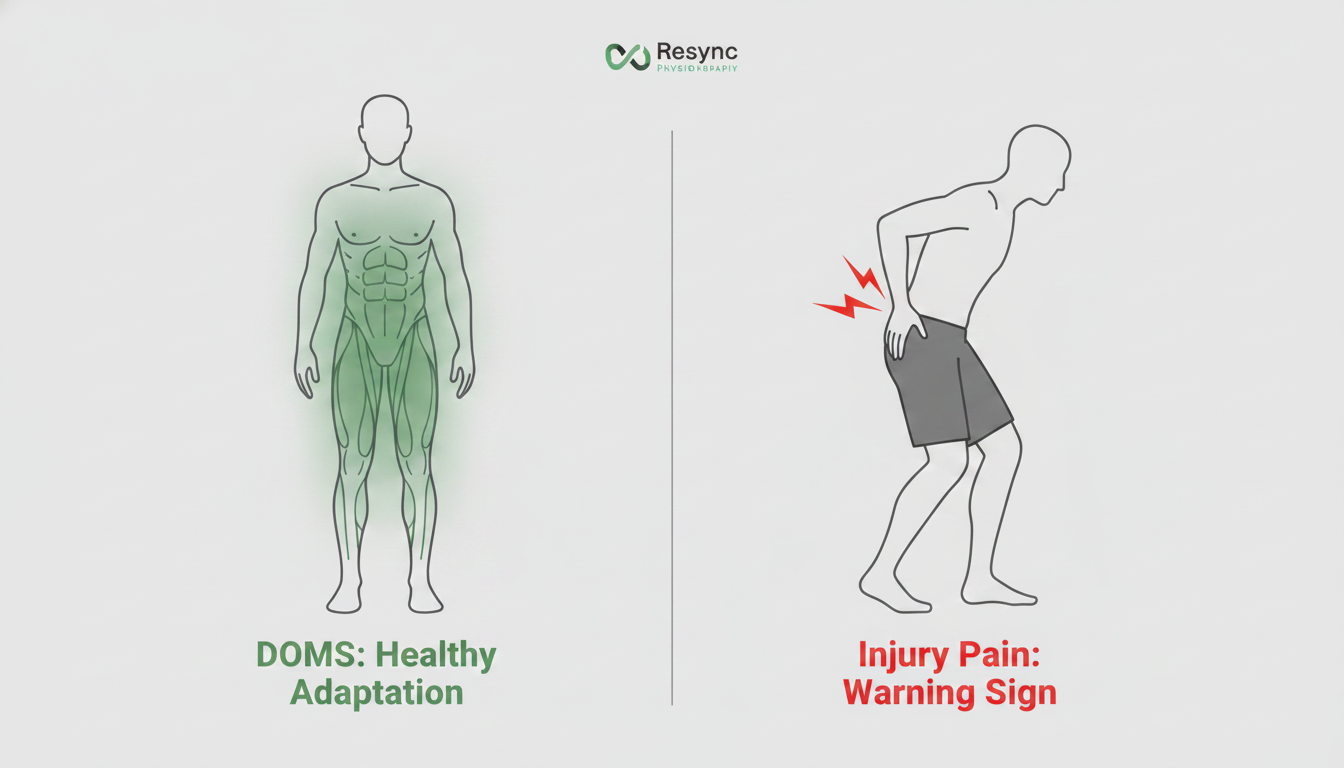
Learning to differentiate between the normal discomfort of training and the warning signs of an impending injury is a vital skill for any athlete. There's a significant difference between Delayed Onset Muscle Soreness (DOMS) and genuine pain. DOMS typically feels like a generalised, dull ache in the muscles you've worked, appearing 24-48 hours after a tough session, and it often feels better with light movement. In contrast, injury pain is often sharp, specific to one location, may persist during rest, and gets worse when you try to perform the aggravating activity. Pay attention to warning signs like pain that forces you to change your technique, any noticeable swelling, or a discomfort that lingers for several days. Being 'tough' isn't about pushing through sharp pain; it's about being smart enough to listen to your body's signals and address a small issue before it becomes a major one.
Building a body that's resilient to injury is not a passive hope; it's a proactive process that puts you in control of your athletic future. By integrating these strategies, you can move beyond the frustrating cycle of injury and recovery and focus on what truly matters: consistently performing at your best. If you're ready to create a personalised injury prevention plan that identifies your unique risks, we can help. Book your comprehensive assessment with our expert team in Balsall Common and let's start building your bulletproof body today.