Introduction
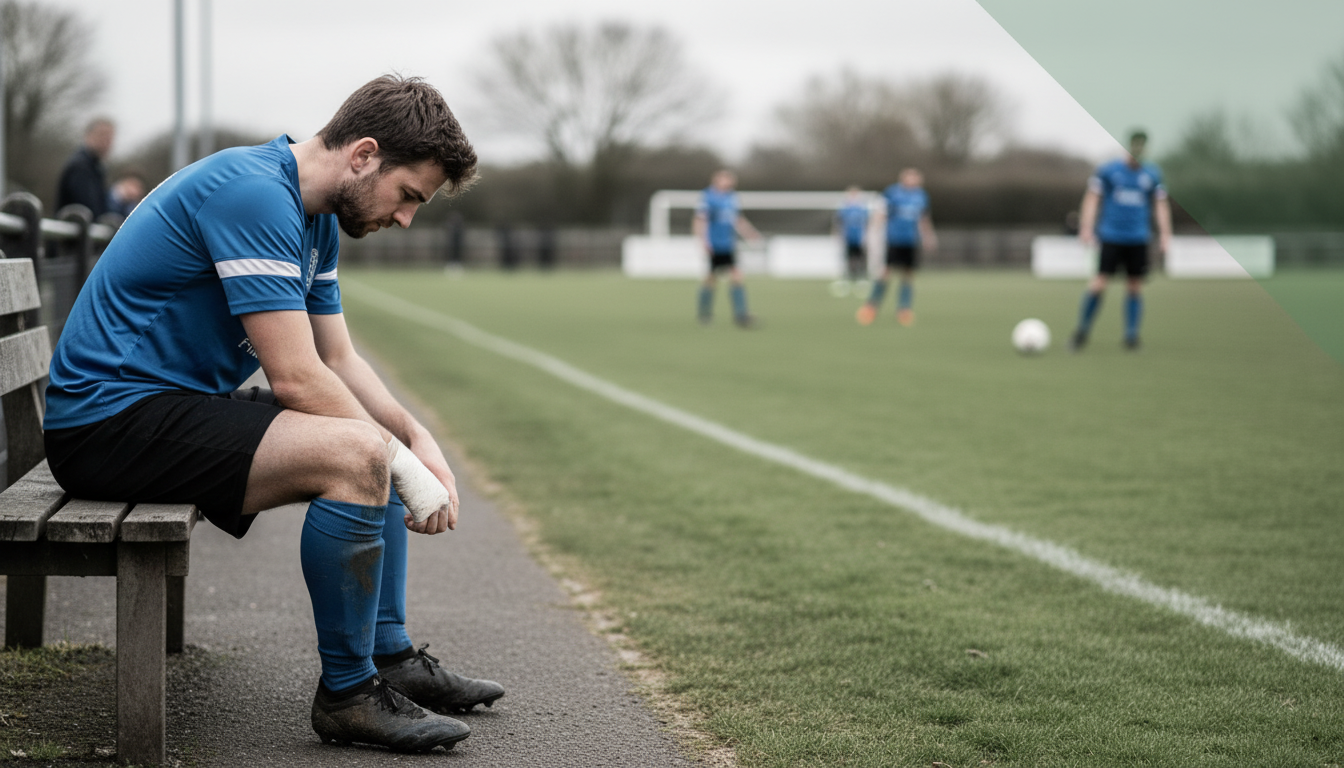
For any dedicated footballer, being sidelined is the ultimate frustration. This was the reality for Liam, a passionate player from a local Balsall Common team. After a sharp twist during a match, he was left with a painful ankle sprain. He tried the usual advice—rest, ice, and hoping for the best—but weeks turned into a month, and the persistent ache, weakness, and instability meant he couldn't play with confidence. The fear of re-injury was constant, and the simple joy of the game was replaced with nagging uncertainty.
The Initial Assessment
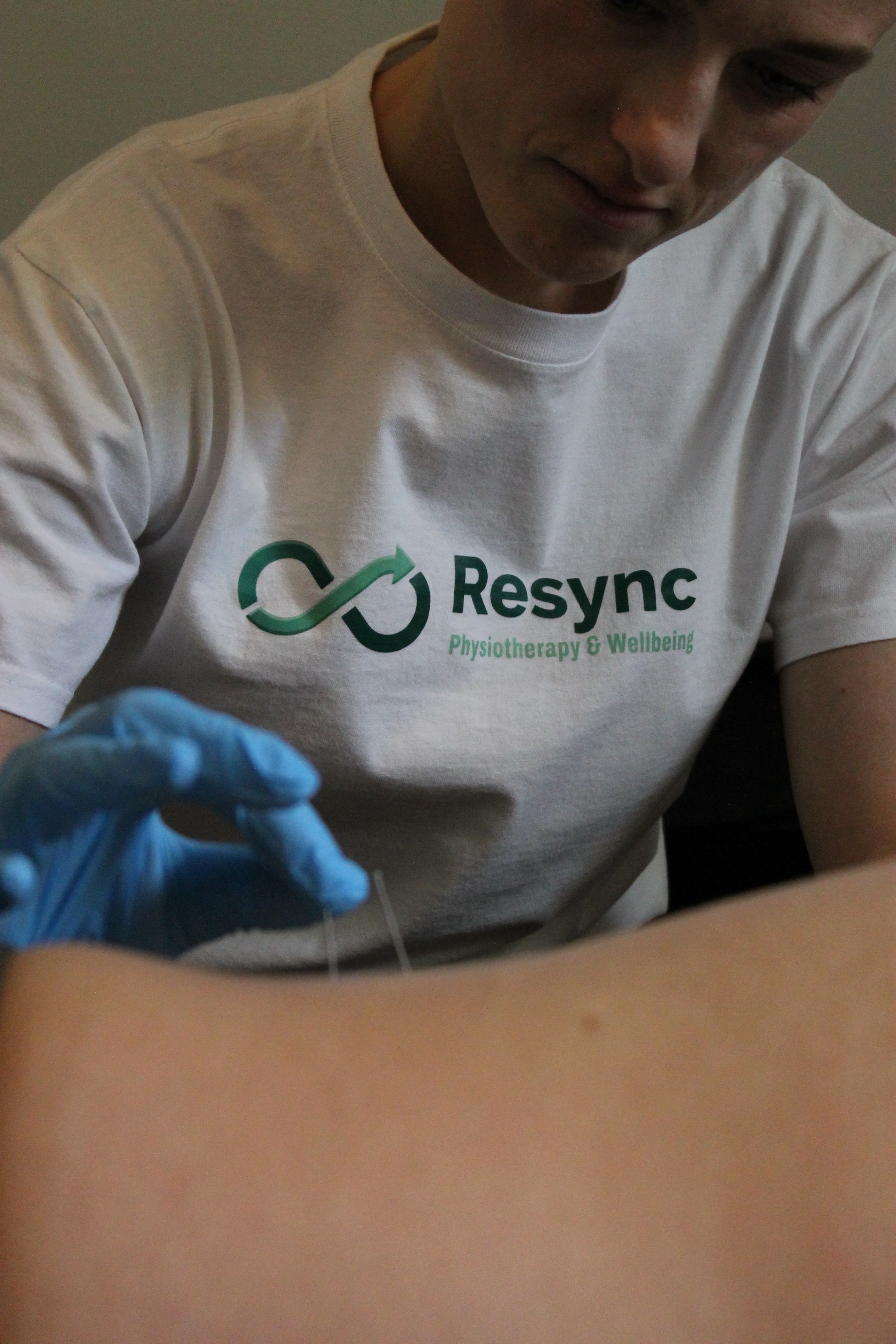
When Liam came to Resync Physiotherapy, his primary goal was to understand why his ankle wasn't healing properly. A superficial check might have just confirmed a ligament sprain, but our comprehensive initial assessment went much deeper. We conducted a series of specific movement and strength tests that revealed the full picture. Yes, the ligaments were damaged, but we also identified significant deficits in his balance and proprioception—the body's awareness of its position in space. His ankle's mobility was also restricted, causing compensatory movements that put other joints at risk. This detailed diagnosis was the crucial first step; it showed us that simply waiting for the pain to fade was never going to be enough to get him back to match fitness.
The Tailored Treatment Plan
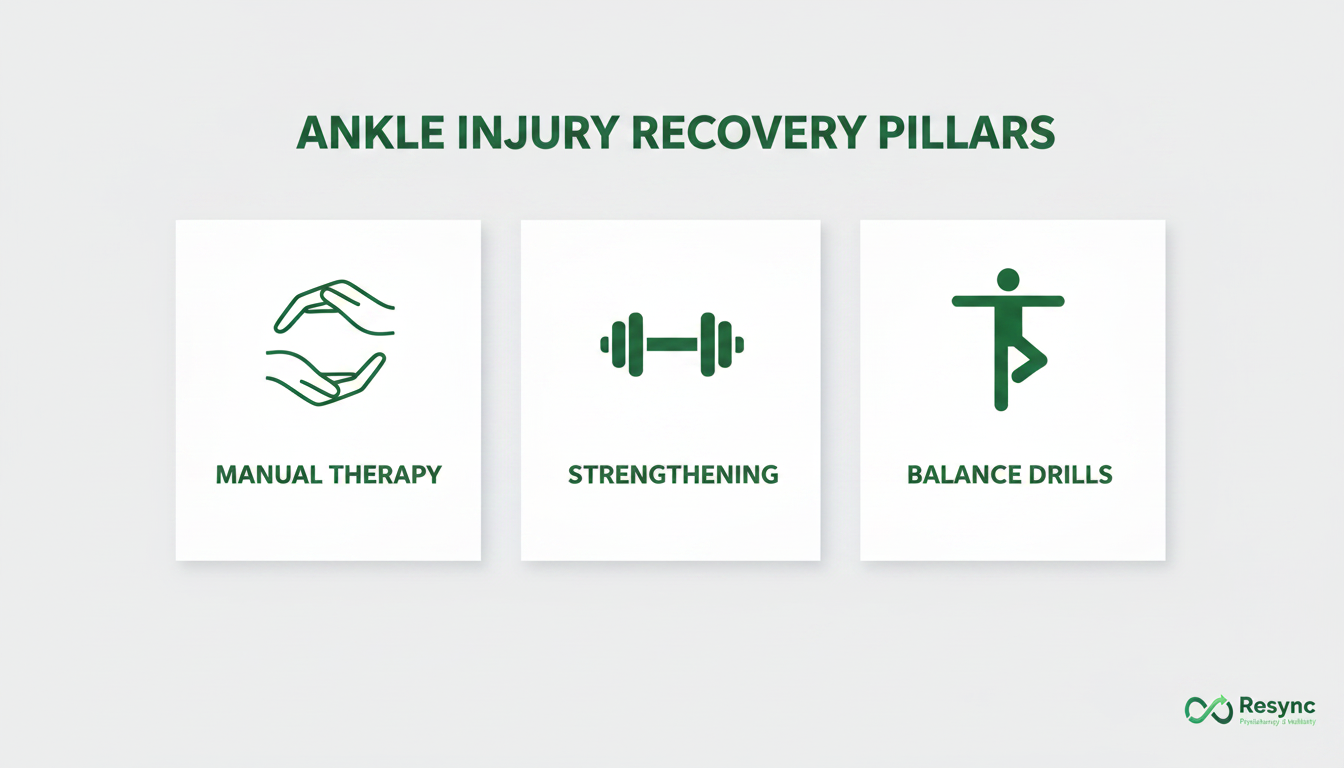
Understanding the root causes allowed us to move beyond generic advice and create a truly personalised treatment plan for Liam. We didn't just focus on the pain; we focused on rebuilding a stronger, more resilient ankle ready for the demands of football. His programme was built on three core pillars:
**Hands-On Manual Therapy:** We used targeted techniques to reduce swelling, alleviate pain, and restore the natural movement and glide in his ankle joint, breaking down scar tissue that was limiting his mobility.
**Progressive Strengthening Program:** We designed a specific sequence of exercises, starting with basic activation and gradually progressing to dynamic, football-specific movements. This rebuilt the strength in the muscles supporting the ankle, providing crucial stability.
**Balance and Proprioception Drills:** To restore his confidence and prevent re-injury, we incorporated challenging drills on unstable surfaces. This retrained the nerve pathways between his ankle and brain, improving his reaction time and control when landing, cutting, and pivoting.
The Return to the Pitch
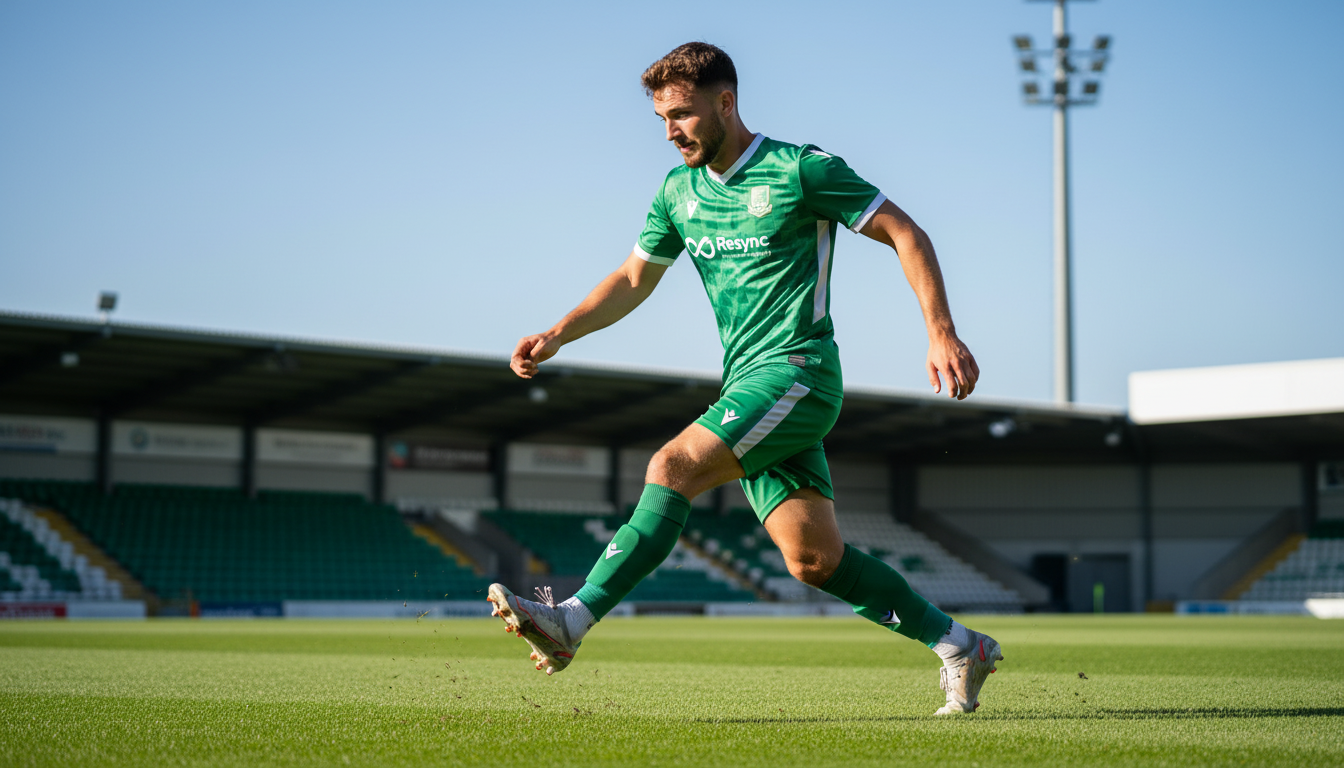
The road back to playing wasn't about rushing; it was about building confidence with every step. Liam's return to the pitch was carefully phased. Initially, he started with non-contact drills, focusing on his form and how the ankle felt. As his strength and control improved, he progressed to team training, participating in passing drills and eventually, controlled match scenarios. The true success wasn't just that the pain was gone, but that the fear was gone. He could make a sharp turn without hesitation and jump for a header knowing he could land securely. Within a few weeks, he was back in the starting lineup, not just playing, but performing at his best, his ankle feeling stronger than ever before.
Conclusion
Liam's journey from a nagging injury to leading the attack for his team is a powerful example of what's possible with a recovery plan that addresses the complete picture. It's about moving beyond just managing pain to actively rebuilding strength, stability, and confidence. His success wasn't about luck; it was the result of an expert diagnosis followed by a personalised, evidence-based rehabilitation plan. If you're a local athlete in Balsall Common or Solihull struggling with a sports injury that's holding you back, it's time to stop waiting and start recovering. Let us help you write your own comeback story and get you back to performing at your best, confidently and without pain.