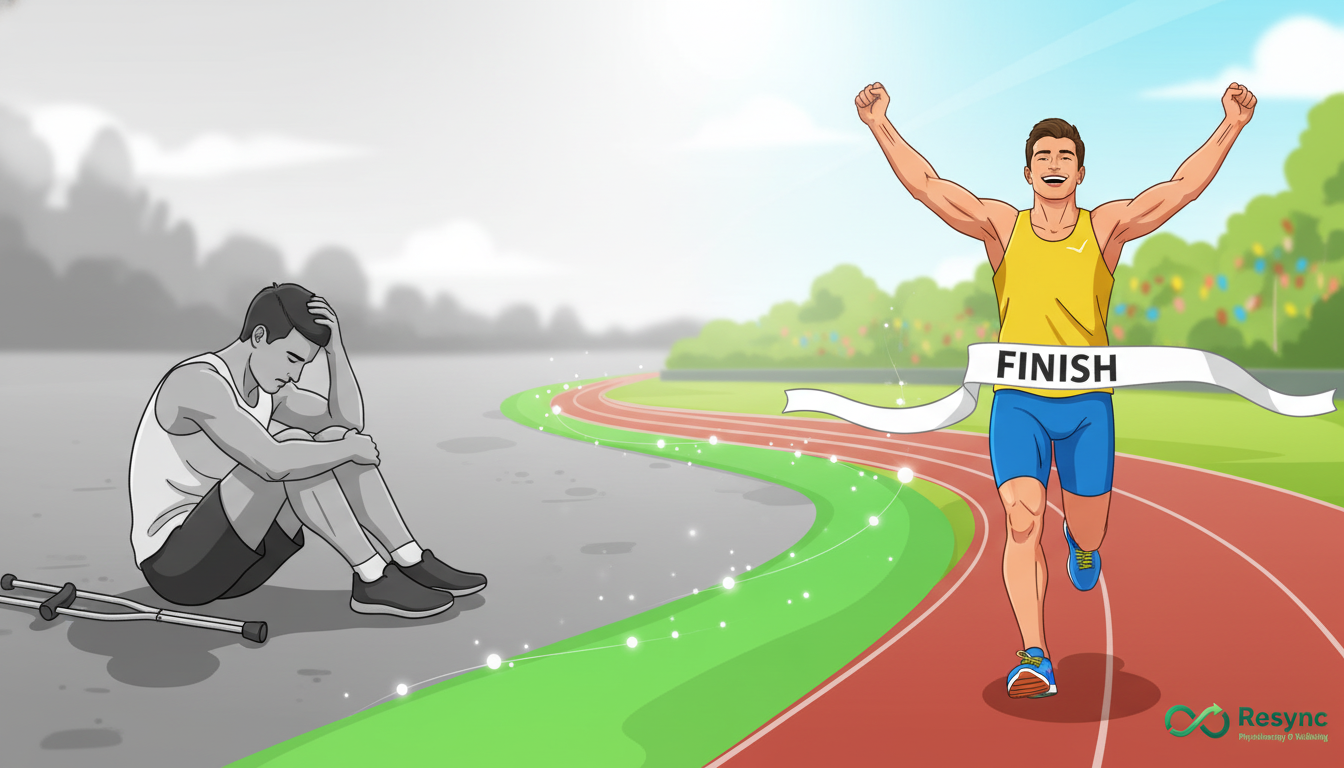
An injury can feel like a huge setback, pulling you away from the sport you love and leaving you feeling frustrated and uncertain. The path back to peak performance isn't just about waiting for the pain to disappear; it's a strategic journey. For athletes in Balsall Common and Solihull, understanding this process is the first step towards a strong, confident, and lasting comeback. This guide lays out the essential four stages of sports injury rehabilitation, providing a clear roadmap from the sidelines back to the starting line.
Stage 1: Calm Things Down - Pain & Swelling Management
Immediately after an injury, your body’s first response is inflammation. While this is a natural part of the healing process, managing it is crucial. The primary goal in this initial stage is to 'calm everything down.' This involves protecting the injured area from further damage, reducing excessive swelling, and managing pain. Techniques often include relative rest, gentle compression, and elevation. A common mistake is to either push through the pain or to become completely inactive. The key is active recovery—finding a balance that allows the tissue to heal without causing additional stress. This phase sets the foundation for everything that follows; getting it right significantly shortens your overall recovery time.
Stage 2: Rebuild the Foundations - Restoring Mobility & Basic Strength
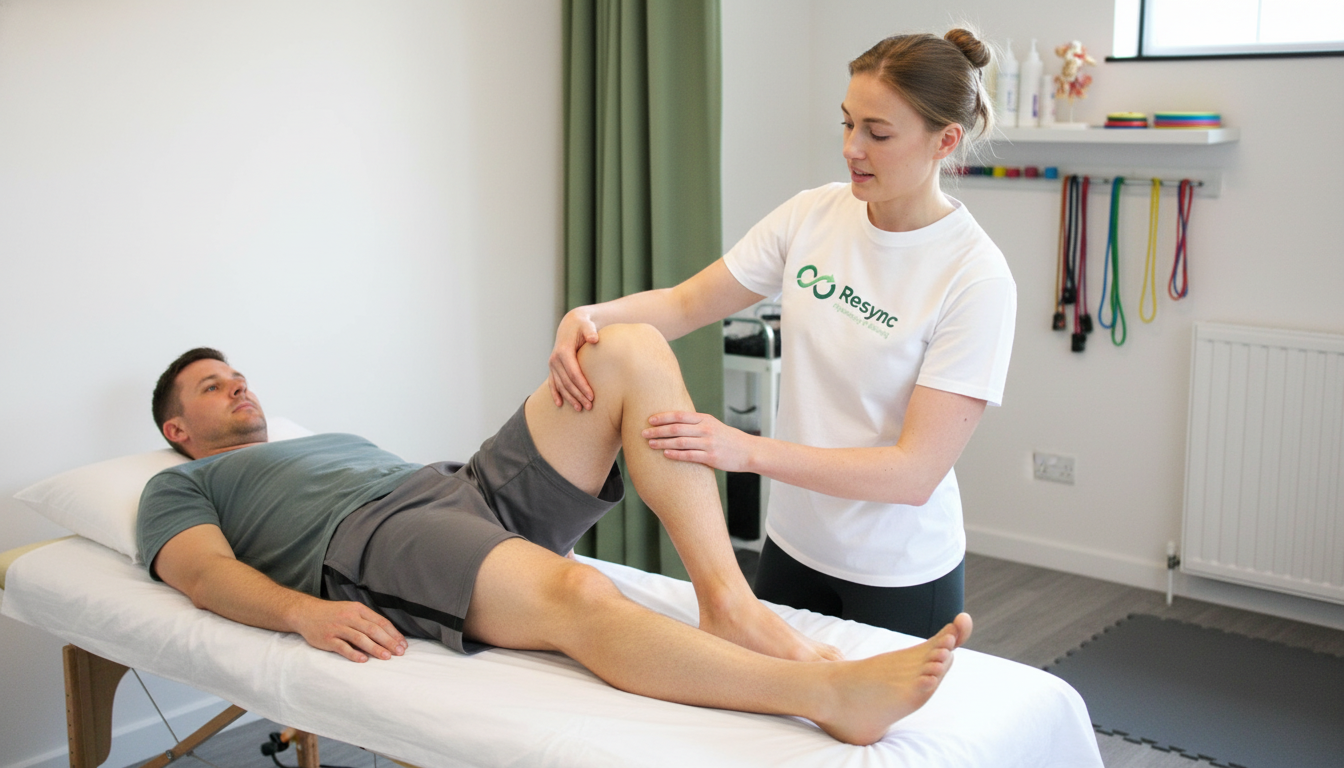
Once the initial pain and swelling have subsided, the focus shifts to restoring your fundamental building blocks: mobility and basic muscle activation. An injury can cause joints to stiffen and surrounding muscles to 'switch off' as a protective mechanism. In this stage, a physiotherapist will guide you through specific, gentle exercises designed to regain your full range of motion. This could involve simple movements and targeted stretches. Simultaneously, you'll begin re-engaging the muscles around the injured area with low-intensity activation exercises. This process ensures the joint is moving correctly and is supported by its muscular system, preventing compensatory movements that could lead to other issues down the line.
Stage 3: Get Sport-Ready - Advanced Strengthening & Functional Movement
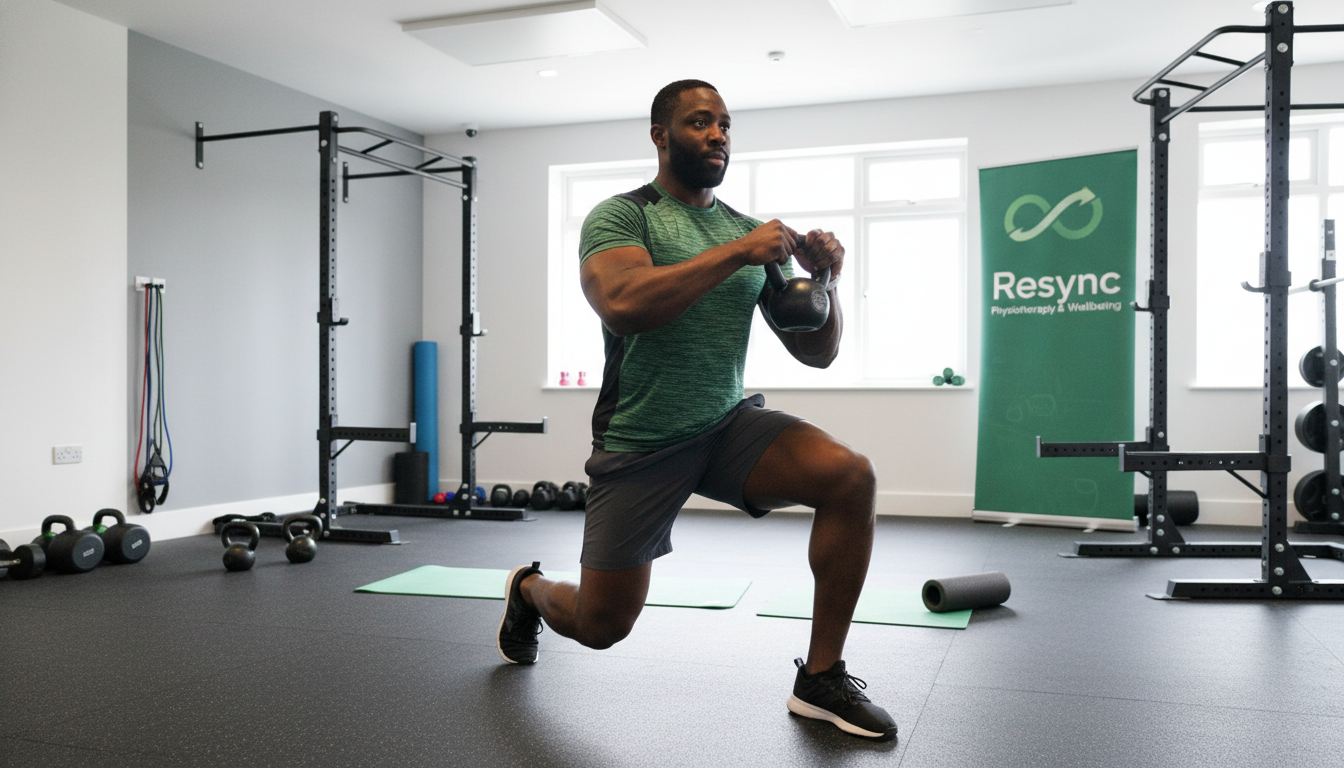
With mobility restored and muscles firing correctly, it’s time to build strength that translates directly to your sport. This stage is about bridging the gap between basic rehabilitation and the high-level demands of athletic performance. Exercises become more complex and functional, mimicking the movements you perform in your sport. For a runner, this might involve single-leg squats and plyometrics. For a footballer, it could include multi-directional lunges and rotational core work. The goal is not just to make the muscle strong, but to make it smart—improving your balance, coordination, and ability to handle load under sport-specific conditions. This is where you rebuild the power and resilience needed to compete.
Stage 4: Test and Return - Sport-Specific Drills & Phased Re-entry
The final stage is the most exciting, but it requires careful management. Before you can go back to full competition, you need to be certain your body can handle the specific stresses of your sport. This phase involves a gradual and planned re-introduction to sport-specific activities. It starts with controlled drills—like running, cutting, or jumping—and progressively increases in intensity and complexity. You'll move from individual drills to practice scenarios and eventually to controlled game play. A physiotherapist will use specific tests to measure your strength, agility, and confidence, ensuring you meet key performance criteria before giving you the green light. This structured approach is the best way to minimise the risk of re-injury and ensure that when you return, you return for good.
Your Comeback Starts with a Plan
A successful return to sport is never a matter of guesswork. It requires a structured, evidence-based approach that respects the body's healing process while progressively rebuilding your strength and confidence. Rushing back is a recipe for chronic problems, but with the right guidance, you can come back stronger and more resilient than before. Your comeback story is unique, and your recovery plan should be too. If you're ready to move from the sidelines to the starting line with a personalised strategy, our expert team in Balsall Common is here to guide you every step of the way. Book your initial assessment today and let's get started.