Hamstring Strain Keeping You Sidelined? 5 Expert Steps to a Faster Recovery
There's nothing more frustrating for an active person in Balsall Common or Solihull than being forced to stop. One moment you're pushing for a personal best on a run or chasing a ball down the pitch, and the next, a sharp, searing pain in the back of your thigh brings you to a halt. A hamstring strain doesn't just disrupt your training schedule; it can impact your mood, your routine, and your confidence. The path to recovery can feel confusing, but with the right strategy, you can get back to the sport you love stronger and more resilient than before.

Step 1: The Truth About R.I.C.E
For decades, the standard advice for any soft tissue injury has been R.I.C.E: Rest, Ice, Compression, and Elevation. While this approach can be useful for managing pain and swelling in the initial 24-48 hours, relying on complete rest for an extended period is often counterproductive. The body heals best with movement. Prolonged inactivity can lead to muscle wastage (atrophy), stiffness, and a slower overall recovery. The modern approach favours active recovery and relative rest—meaning you should avoid activities that cause sharp pain but engage in gentle, pain-free movements to stimulate blood flow, encourage tissue healing, and maintain mobility.
Step 2: The Power of an Accurate Diagnosis
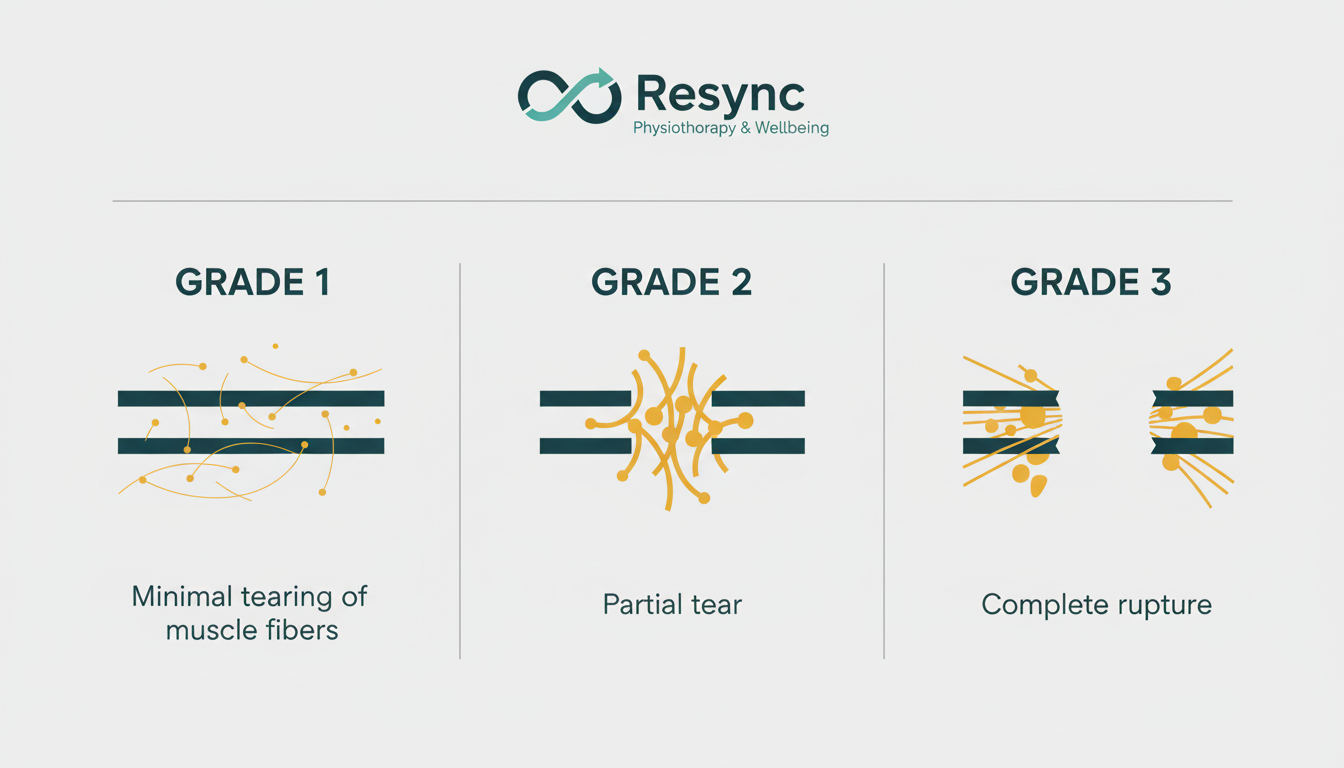
Not all hamstring strains are created equal. Simply saying "I've pulled my hammy" doesn't capture the full picture. An injury can range from a minor Grade 1 tear (a slight overstretch) to a Grade 3 rupture (a complete tear of the muscle). The specific location of the tear—whether it's high up near the glute, in the thick 'belly' of the muscle, or down near the knee—drastically changes the best course of action. A professional assessment from an experienced physiotherapist is critical. We can pinpoint the exact nature and severity of your injury, which allows for a recovery plan that is tailored specifically to you, ensuring you're not wasting time on generic advice that won't work.
Step 3: Gentle Mobility and Early Strengthening
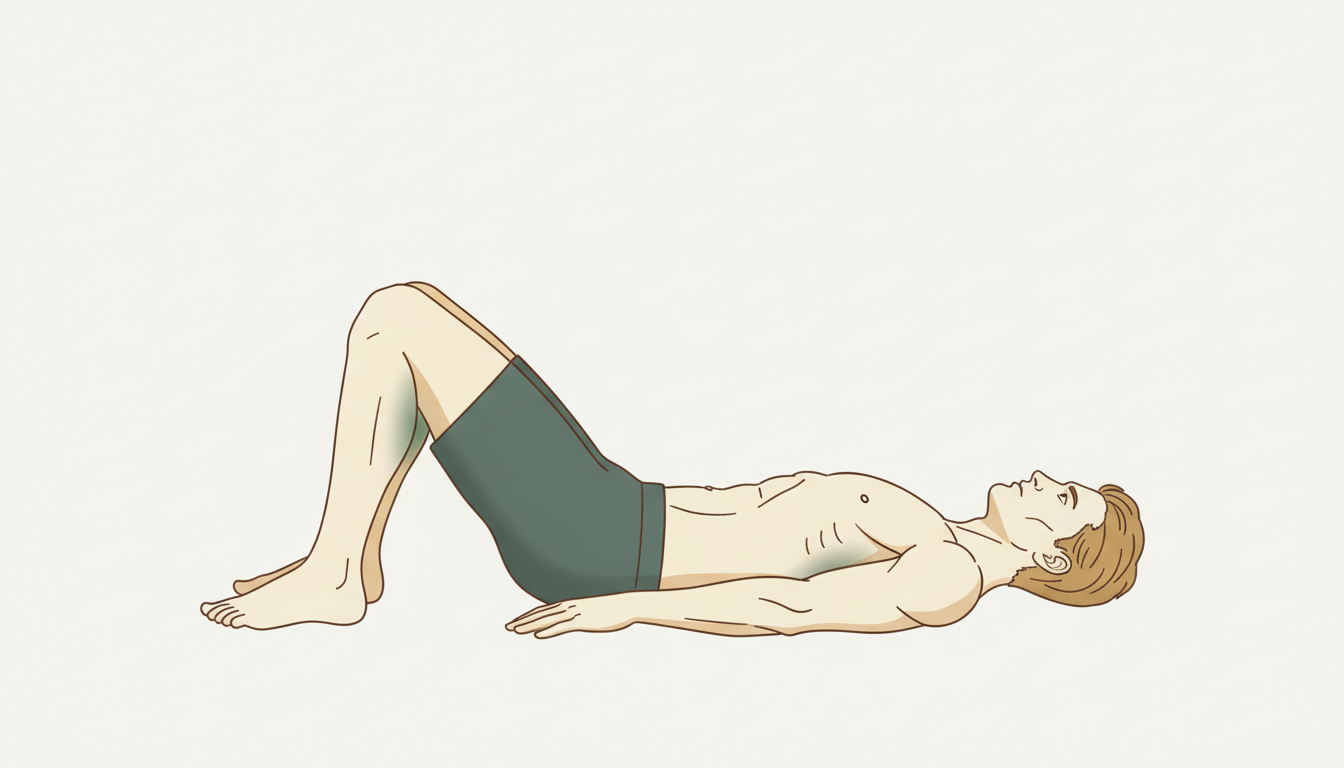
Once the initial, acute pain subsides, the goal is to reintroduce load to the muscle gently and safely. This phase is not about pushing through pain, but about encouraging the muscle fibres to heal in a strong, organised way. Early-stage exercises often include pain-free range of motion movements like gentle leg swings and isometric contractions, where you activate the hamstring muscle without actually moving the leg. These simple but effective techniques prevent the muscle from weakening significantly and lay the crucial groundwork for the more intensive strengthening to come, all without risking re-injury.
Step 4: Building a Resilient Hamstring
Recovering from the initial pain is only half the battle; preventing the injury from happening again is the true victory. This is where a structured, progressive strengthening program becomes essential. The focus shifts to rebuilding the muscle's capacity to handle the explosive demands of your sport. This involves targeted exercises that strengthen not just the hamstrings but the entire posterior chain, including the glutes and lower back. Exercises like glute bridges, Romanian deadlifts, and especially Nordic hamstring curls are proven to build eccentric strength—the muscle's ability to lengthen under load—which is a key factor in preventing future strains and making you a more robust athlete.
Conclusion: Your Comeback Story Starts Here
Navigating a hamstring injury can be a lonely and confusing process filled with conflicting advice. But you don't have to rely on guesswork. A proactive, evidence-based plan guided by an expert is the fastest and safest way to get back on the field, the track, or the road. By understanding the injury, encouraging early mobility, and progressively building strength, you can turn this setback into a setup for greater performance and long-term resilience.
If you're tired of being sidelined by a nagging hamstring injury, let's create a clear path back to health. Our personalised, performance-focused approach ensures we address the root cause of your issue, not just the symptoms. Book your initial assessment with us at Resync Physiotherapy today, and let's work together to write your comeback story.