That sudden, sharp twinge in the back of your thigh. For any runner, footballer, or active individual in Balsall Common and Solihull, it's a dreaded feeling. A hamstring strain can bring your training to an abrupt halt, leaving you frustrated and worried about when you'll get back to the sport you love. While the old advice was simply 'R.I.C.E.' (Rest, Ice, Compression, Elevation), modern physiotherapy advocates for a more active approach to kickstart your recovery. Let's walk through the P.O.L.I.C.E. principle—a proven 3-step guide for effective early management of your hamstring injury.
Step 1: Protection & Optimal Loading
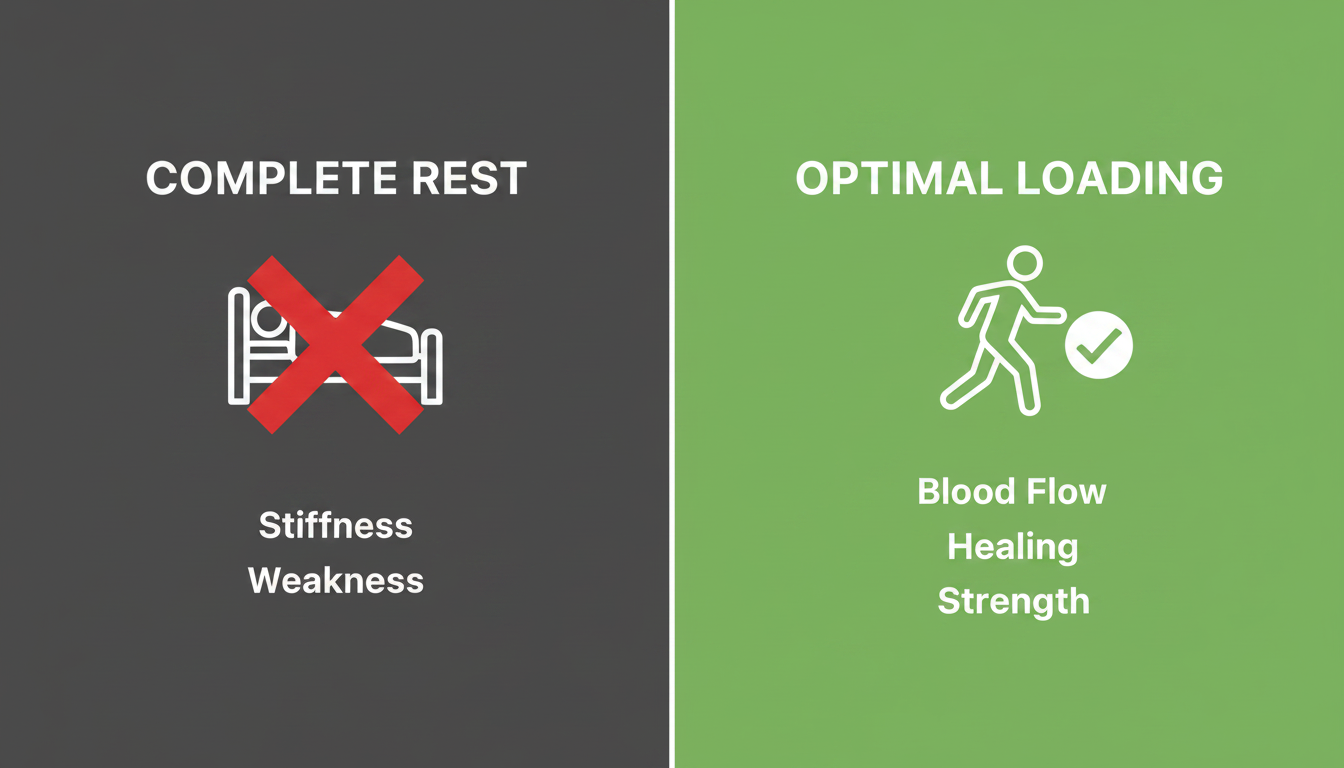
The immediate instinct after an injury is to stop moving completely. While 'Protection' is the first step, this doesn't mean complete bed rest. In fact, total inactivity can lead to muscle stiffness and weakness, slowing down your recovery. The key is Optimal Loading. This means introducing gentle, pain-free movement as soon as you can tolerate it. For a mild hamstring strain, this might be slow, gentle walking or simple leg swings that don't cause pain. This light activity encourages blood flow to the area, which is essential for delivering the nutrients your muscle needs to heal, and prevents the surrounding muscles from deconditioning.
Step 2: Ice & Compression
During the first 48-72 hours, managing pain and swelling is crucial. This is where the familiar 'Ice' and 'Compression' come in. Applying a cold pack can provide significant pain relief and help control inflammation. It’s vital to do this correctly to avoid skin damage. Wrap an ice pack or frozen peas in a thin tea towel and apply it to the most painful area of your hamstring for 15-20 minutes every 2-3 hours. Following this, use an elastic compression bandage around the thigh. The bandage should be snug but not so tight that it causes numbness, tingling, or increased pain. This gentle pressure helps to limit swelling and provides support to the injured muscle.
Step 3: Elevation & When to Seek Expert Help
'Elevation' is a simple but effective way to help reduce swelling. Whenever you are resting, try to keep your injured leg raised above the level of your heart. You can do this by propping your leg up on a stack of pillows while lying down. While these initial steps are beneficial, they are first aid, not a complete cure. It's crucial to know when to stop self-managing and seek professional help. If you experienced a 'popping' sound at the time of injury, are unable to walk without significant pain, notice extensive bruising appearing quickly, or if the pain isn't improving after 2-3 days of following these steps, it's time to see a physiotherapist. These can be signs of a more severe tear that requires an expert diagnosis.
Get a Clear Path to Recovery
Following the P.O.L.I.C.E. principle is an excellent way to manage a hamstring strain in the first few days. However, to ensure a full, safe, and speedy return to sport, a professional assessment is essential. A thorough evaluation can determine the grade of your injury and identify any underlying factors that may have contributed to it. This allows for a personalised, evidence-based rehabilitation plan that not only heals the muscle but also builds long-term strength and resilience to prevent it from happening again. Don't let a hamstring injury keep you on the sidelines indefinitely. Take the guesswork out of your recovery and get the expert guidance you need to confidently get back to performing at your best.
Your comeback story starts with understanding the full picture of your injury. If you're struggling with a sports injury and want a clear, performance-focused recovery plan, book your initial assessment with us today. We'll help you overcome pain, restore movement, and get back to the activities you love.