Every athlete, from the weekend warrior to the dedicated competitor, knows the feeling. A sudden twinge, a sharp pain, or a persistent ache that sidelines you from the sport you love. The immediate internal debate begins: 'Should I just rest it for a few weeks, or do I need to see someone?' It's a common crossroads, where the path you choose can drastically affect how quickly—and how well—you get back in the game. While the instinct to wait and see is strong, understanding the difference between passive waiting and proactive recovery is crucial for your long-term performance.
The Limitations of 'Just Resting'
Putting your feet up and avoiding activity will almost certainly reduce pain in the short term. Rest is a vital component of recovery, as it allows initial inflammation to subside. However, relying on rest alone is a flawed strategy because it fails to address the root cause of the injury. When you simply stop moving, the tissues around the injury can become weak and stiff. This process, known as muscle atrophy and deconditioning, means the muscles, ligaments, and tendons that support the injured area are less prepared to handle the demands of your sport when you decide to return. This creates a high-risk scenario where the original injury is highly likely to recur, often worse than before.

The Power of Proactive Physio
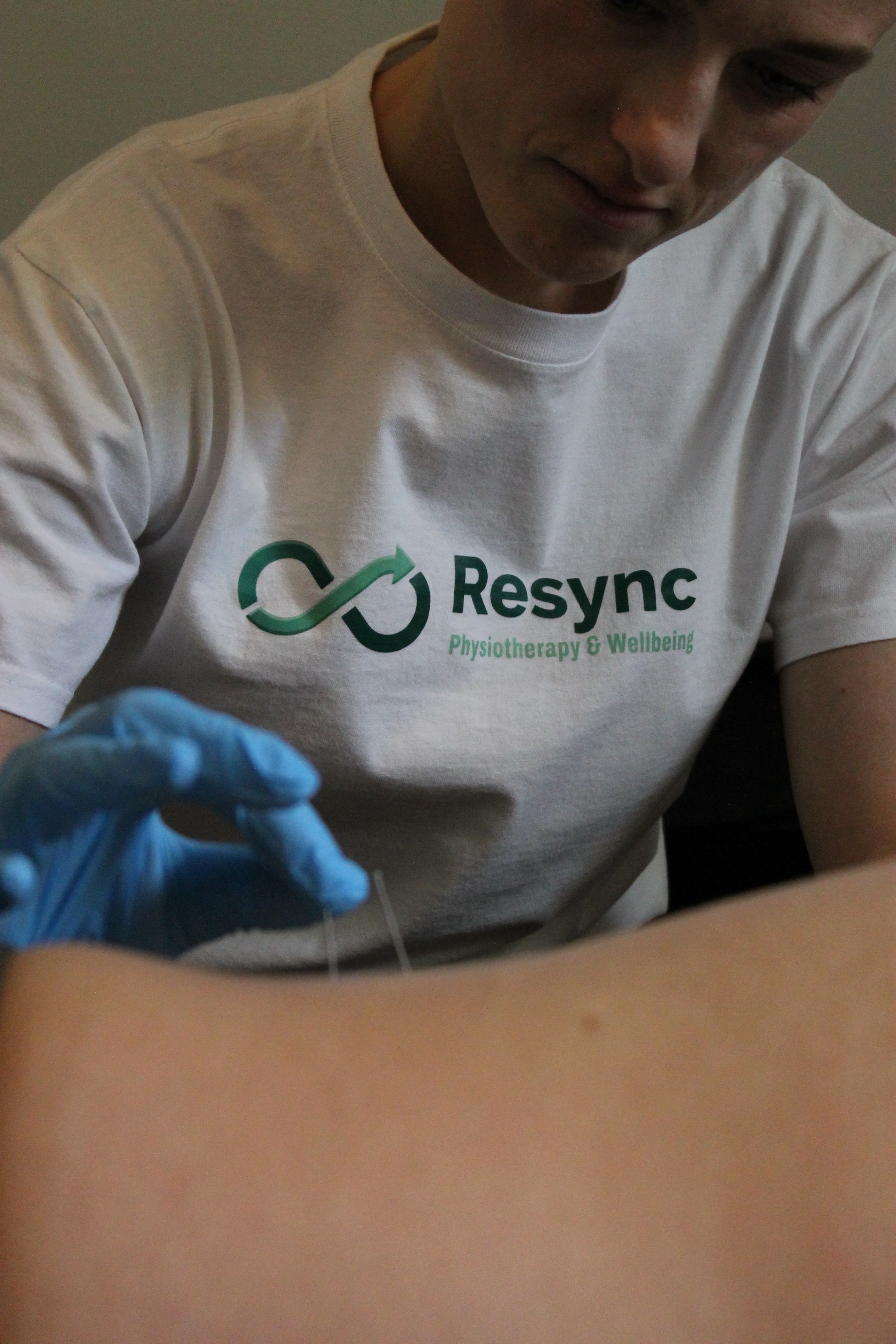
This is where a proactive approach with physiotherapy makes all the difference. Seeing a physiotherapist isn't just about treating the pain; it's about building a comprehensive plan for a full recovery. The process begins with an accurate diagnosis. A professional can identify the specific tissue that's injured and uncover any underlying biomechanical issues or muscle imbalances that contributed to the problem in the first place. Following this, you'll receive a personalised treatment plan designed to accelerate healing through hands-on techniques and targeted exercises. This active approach rebuilds strength in the supporting muscles, restores full range of motion, and provides you with the expert guidance needed to return to your sport safely and confidently, minimising the risk of future setbacks.
A Head-to-Head Comparison
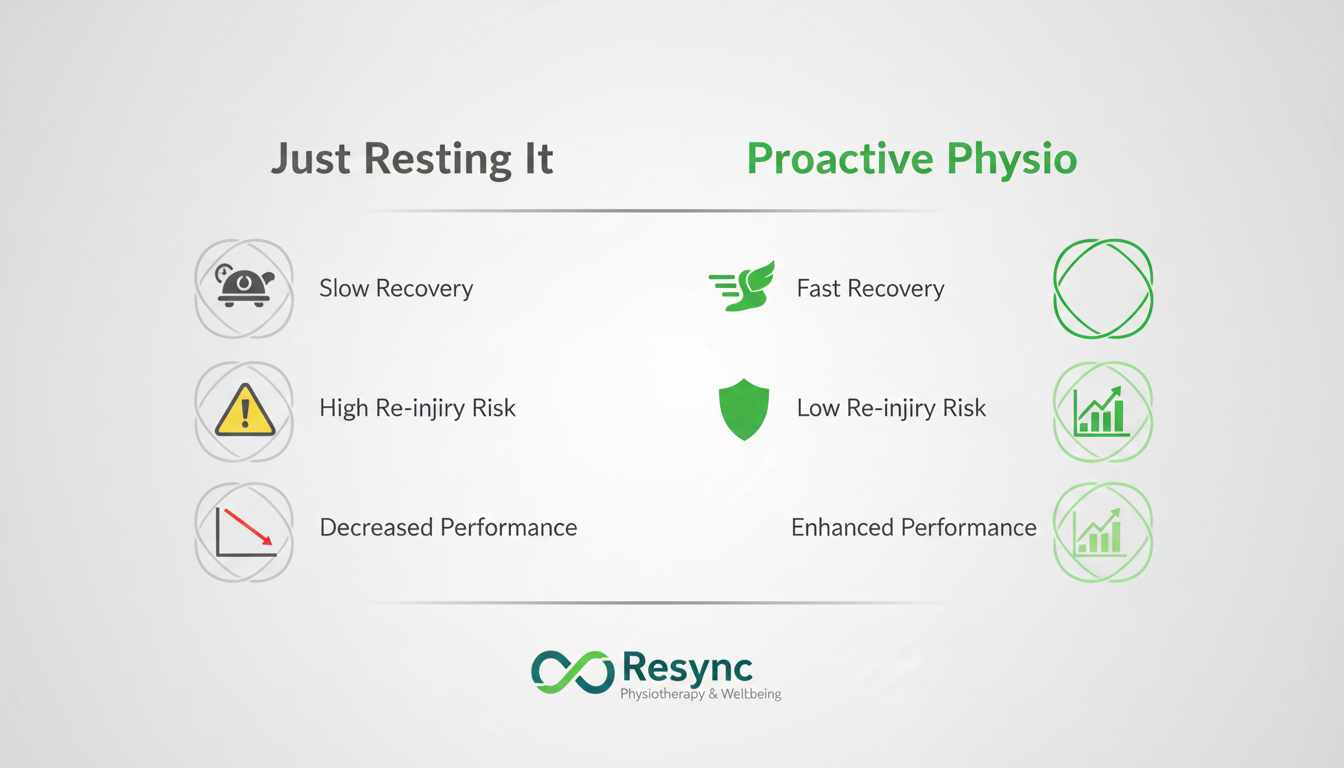
When you place the two approaches side-by-side, the advantages of physiotherapy become crystal clear. It's not just about getting better; it's about how you get better and the quality of your performance once you return.
- **Speed of Recovery:** While rest offers temporary relief, physiotherapy introduces targeted interventions that actively promote tissue healing, reduce inflammation, and rebuild strength simultaneously. This means a significantly faster and more structured timeline for getting back to your activities.
- **Risk of Re-injury:** This is perhaps the most critical difference. Rest alone leaves you vulnerable, with weakened muscles and uncorrected movement patterns. Physiotherapy directly addresses these weaknesses, building resilience and teaching you strategies to prevent the injury from happening again.
- **Long-Term Athletic Performance:** A proactive recovery plan doesn't just return you to your baseline; it can help you exceed it. By correcting underlying issues and building a stronger, more balanced foundation, physiotherapy helps enhance your overall performance and longevity in your sport.
Your Strongest Comeback Starts Here
For any athlete in Balsall Common or Solihull dealing with a sports injury, the choice is clear. While rest has its place, it's only one small piece of the puzzle. To return to your sport quickly, safely, and with the confidence that you're stronger than before, a proactive plan guided by an expert is essential. Don't let uncertainty and the 'wait and see' approach prolong your time on the sidelines and increase your risk of re-injury. Take control of your recovery and build a clear path back to health and peak performance.
If you're tired of waiting for the pain to go away on its own, it's time to get a professional diagnosis and a personalised plan. Let's work together to understand your injury, overcome it, and get you back to the activities you love. Book your initial assessment with us at Resync Physiotherapy today and start your comeback story.