Introduction: That Familiar Ache
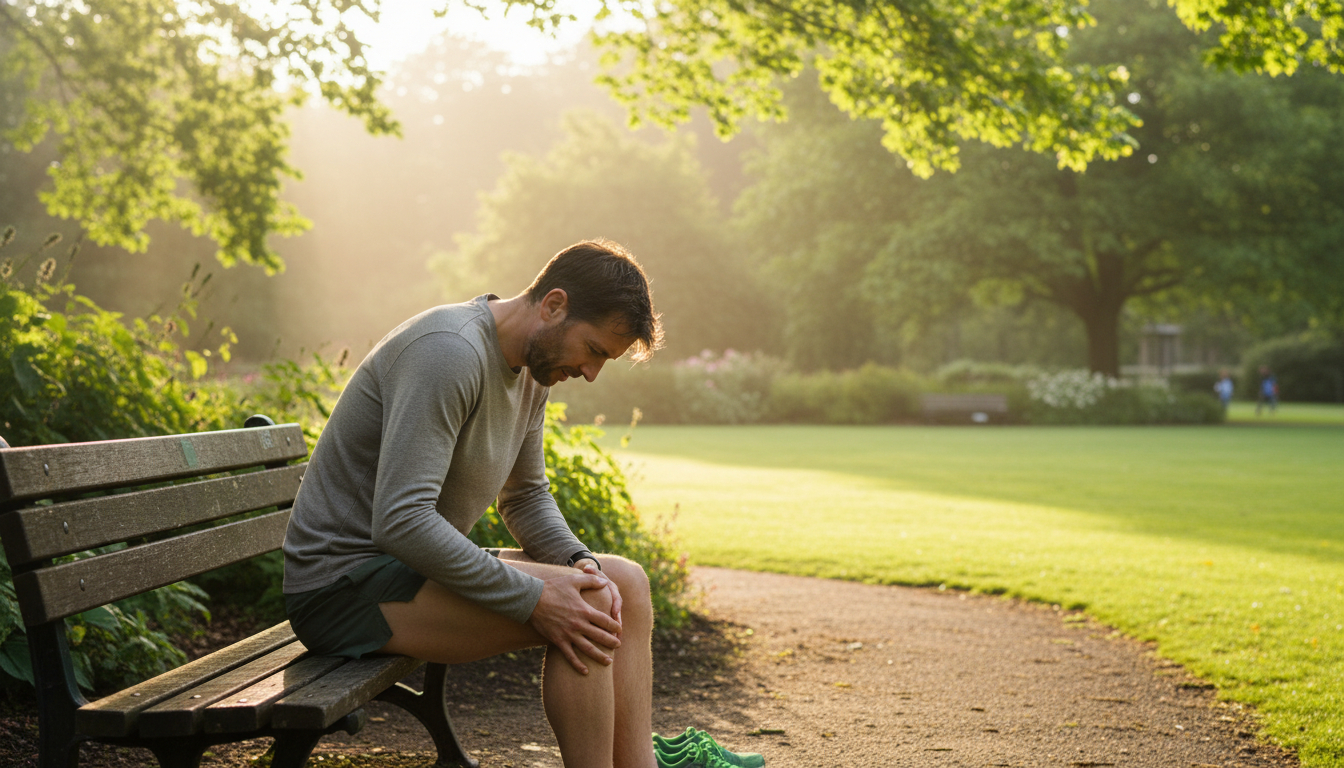
There's nothing quite like the rhythm of a good run—the fresh air, the steady beat of your feet, the mental clarity it brings. But when that nagging, persistent ache starts to build around your kneecap, every step can feel like a setback. If you've ever had to cut a run short through the beautiful parks of Balsall Common or Solihull because of 'runner's knee,' you know this frustration all too well. It's a common complaint, but that doesn't make it any less disruptive to your training, your goals, and your enjoyment of an active lifestyle.
What is Runner's Knee, Really?
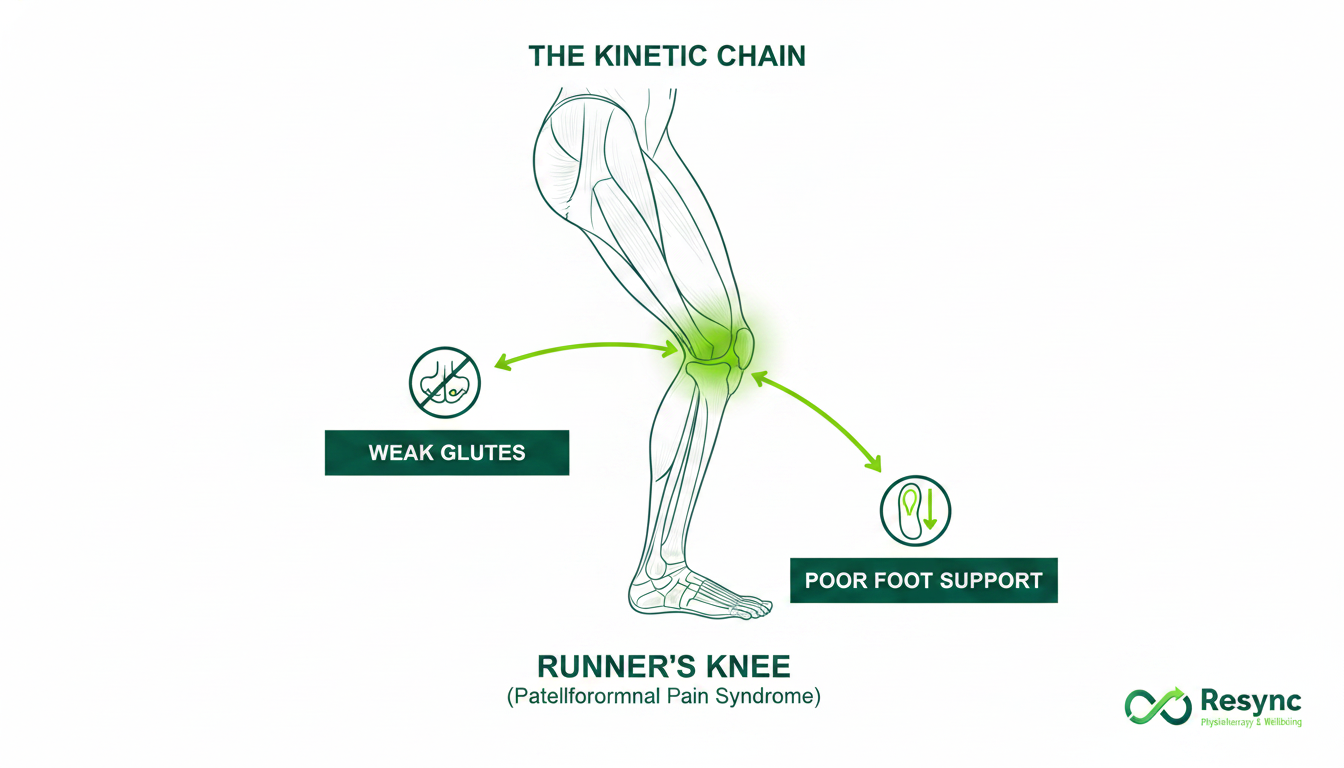
Patellofemoral Pain Syndrome, more commonly known as 'runner's knee,' refers to the pain you feel in and around your kneecap (the patella). While the discomfort is centred on the knee, it’s often a case of misdirection. Your knee is frequently the victim, not the culprit. The pain is a symptom of an imbalance or issue happening elsewhere in your body’s kinetic chain. Think of it as a warning light on your dashboard; it tells you something is wrong, but not necessarily where the root problem lies. Very often, the real source of the strain on your knee can be traced back to your hips or even your feet.
Top 3 Causes We See in Our Clinic
In our Balsall Common clinic, we see dedicated runners every day who are sidelined by patellofemoral pain. While every case is unique, the underlying causes often fall into a few key categories. Understanding these can be the first step toward a lasting solution.
**Weak Hip and Gluteal Muscles:** This is the number one cause we encounter. Your glute muscles are crucial for stabilising your pelvis when you run. If they aren't strong enough, your thigh bone (femur) can rotate inwards, putting abnormal stress on your kneecap and causing it to track incorrectly. This repeated misalignment is a direct route to inflammation and pain.
**Poor Foot Mechanics or Improper Footwear:** How your foot strikes the ground has a ripple effect all the way up your leg. Overpronation (when your foot rolls too far inward) or wearing worn-out, unsupportive running shoes can alter your entire running gait, forcing your knee to absorb shock and rotate in ways it wasn't designed to. It's essential that your foundation is solid to protect the joints above.
**Sudden Increases in Training Load:** Enthusiasm is great, but your body needs time to adapt. A common mistake is doing too much, too soon. Rapidly increasing your running distance, frequency, or intensity without a structured build-up can overload the tissues and structures around the knee, leading to irritation and pain. Consistent, gradual progression is key to injury prevention.
Immediate Steps You Can Take for Relief
While identifying the root cause is crucial for a long-term fix, there are immediate actions you can take to manage the pain and start the recovery process. These steps can help reduce inflammation and begin to address the underlying imbalances.
**Modify Your Activity, Don't Stop It:** Instead of stopping all activity, which can lead to deconditioning, try reducing your running mileage or intensity. You might switch to lower-impact cross-training like swimming or cycling for a short period to let the knee calm down.
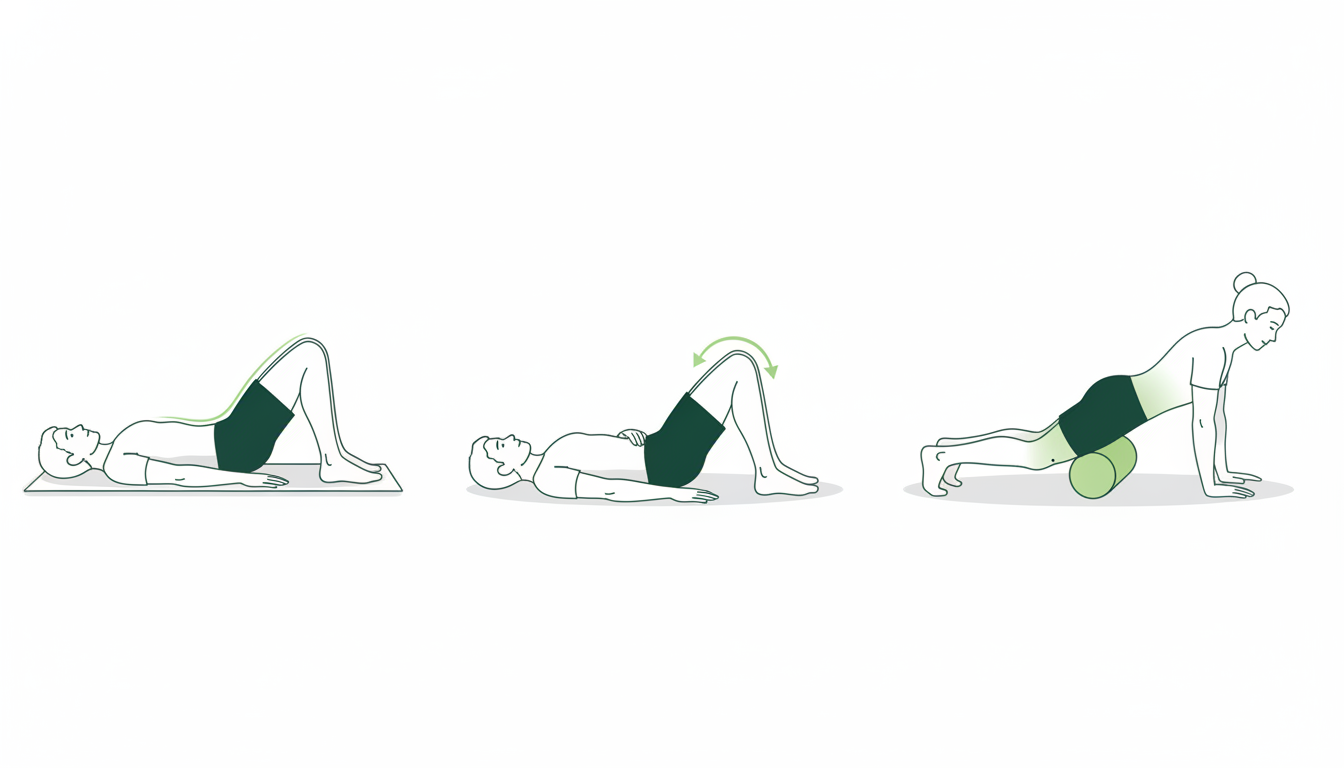
**Strategic Foam Rolling:** Focus on releasing tension in the muscles surrounding the knee. Gently foam roll your quadriceps (front of the thigh), Tensor Fascia Latae (TFL, on the outside of your hip), and even your calves. Avoid rolling directly on the kneecap or IT band itself, as this can increase irritation.
**Simple Glute Activation:** Begin waking up those important stabilising muscles. Simple exercises like glute bridges, clamshells, and side-lying leg raises can be performed daily. The goal isn't to build massive strength immediately, but to re-establish the mind-muscle connection and encourage them to fire correctly when you run.
How Expert Physio Provides a Long-Term Solution
Self-management can provide temporary relief, but to truly solve runner's knee and prevent it from coming back, a professional assessment is invaluable. This is where expert physiotherapy makes all the difference. We don't just treat the pain; we conduct a comprehensive running and biomechanical assessment to diagnose the exact cause of your issue. This involves analysing your running gait, testing muscle strength and flexibility, and understanding your training history.
Based on this detailed analysis, we create a personalised, evidence-based treatment plan. This isn't a generic sheet of exercises. It's a tailored strategy that might include hands-on therapy to release tight structures, a specific strength-building programme for your hips and core, and guidance on running form adjustments. Our goal is to empower you with the tools and strength to build long-term resilience, so you can run with confidence and without pain.
Get Back on the Road with Confidence
You don't have to give up the sport you love or resign yourself to painful runs. Patellofemoral pain is a sign that your body needs a better strategy, not a full stop. By understanding the root cause of your knee pain and implementing a targeted recovery plan, you can overcome this frustrating injury and return to running stronger and more resilient than before. If you're ready to leave knee pain behind and get a clear, expert-led path back to peak performance, we're here to help. Book your comprehensive running assessment with us today and let's create your comeback story.