That First Moment of Injury: Wait or Act?
Every athlete, from the weekend warrior to the seasoned competitor, knows the feeling. A sudden twinge, a sharp pain, a stumble that feels wrong. In the moments that follow, one crucial question arises: 'Is this serious, or can I just walk it off?' The decision you make right then can be the difference between a swift return to your sport and a frustrating, lengthy spell on the sidelines. Understanding when to seek professional help is the first and most critical step in a successful recovery journey. It’s not just about healing; it’s about healing right so you can come back stronger and more resilient.
The 'Golden Window': The Power of an Early Diagnosis
When it comes to sports injuries, timing is everything. There's a period immediately following an injury, often called the 'golden window,' where a swift and accurate diagnosis can dramatically improve your outcome. Seeking an expert opinion from a physiotherapist within the first 24 to 72 hours allows for a clear assessment before significant inflammation and muscle guarding obscure the root cause. This early intervention means you get a precise recovery plan from day one, which helps manage pain effectively, prevents the injury from escalating into a chronic problem, and significantly shortens your overall rehabilitation time. More than anything, it provides immediate peace of mind, replacing uncertainty with a clear path forward.

Red Flags: When to See a Physio Immediately
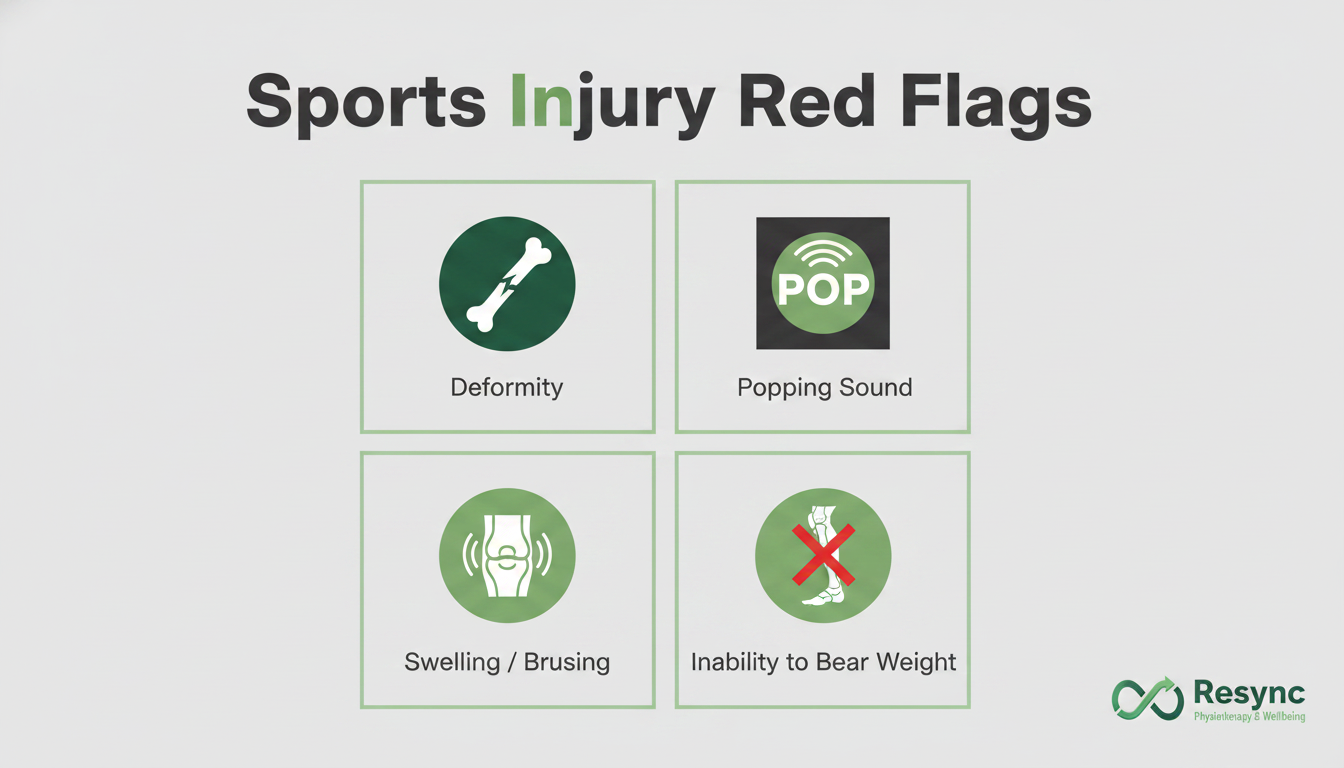
While some aches can be monitored, certain signs and symptoms demand immediate professional attention. Ignoring these red flags can lead to more severe damage and complicated recoveries. If you experience any of the following, it’s crucial to stop your activity and book an assessment with a physiotherapist as soon as possible:
**Inability to Bear Weight:** You cannot put any weight on the injured limb (e.g., your leg, ankle, or foot).
**Audible 'Pop' or 'Snap':** A distinct sound at the moment of injury often indicates a significant ligament or tendon tear.
**Visible Deformity:** The joint or bone looks misshapen, out of place, or asymmetrical compared to the other side.
**Significant and Rapid Swelling:** While some swelling is normal, excessive and immediate swelling can signal a serious issue like a fracture or major ligament damage.
**Loss of Sensation:** Numbness, tingling, or a 'pins and needles' sensation around the injured area could indicate nerve involvement.
**Joint Instability:** A feeling that the joint is 'giving way' or is unusually loose and unstable during movement.
For Milder Strains and Pains
What if your injury doesn't raise any immediate red flags? For less severe sprains and strains, the old advice of RICE (Rest, Ice, Compression, Elevation) is being updated. The modern, evidence-based approach is now summarized by the acronym PEACE & LOVE (Protect, Elevate, Avoid anti-inflammatories, Compress, Educate & Load, Optimism, Vascularisation, Exercise). For the first 48-72 hours, focus on PEACE: gentle protection, elevation, and compression to let the initial healing process begin. However, this doesn't mean you should go it alone. A physio check-up after this initial period is still vital. We can assess the underlying issue and guide you on the LOVE part of the recovery—safely introducing the right load and exercises to promote optimal healing and prevent re-injury. This expert guidance ensures you don't do too much too soon, or too little for too long.
What to Expect in Your First Sports Injury Assessment
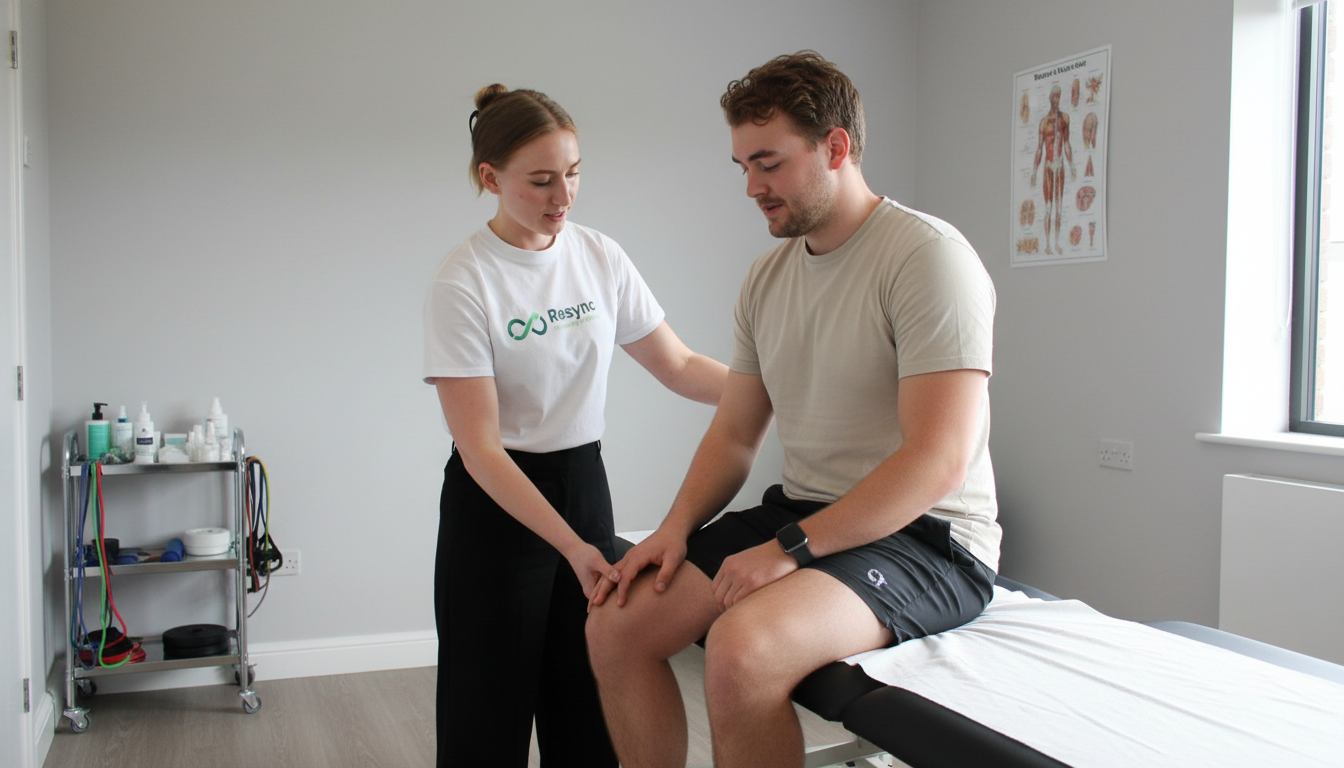
Walking into a physiotherapy clinic for the first time can feel daunting, but it’s a positive and proactive step. Your initial assessment is a collaborative process designed entirely around you. It begins with a detailed conversation where we listen carefully to your story: how the injury happened, what your symptoms are, and most importantly, what your goals are. This is followed by a thorough physical examination. We’ll assess your movement, strength, and stability to pinpoint the exact source of the problem. We use specific tests to diagnose the tissue involved and the severity of the injury. By the end of this first session, you won't leave with more questions; you'll leave with a clear diagnosis, a solid understanding of your injury, and the first steps of a personalized treatment plan designed to get you back on track.
Your Fastest Route Back to Peak Performance
Ultimately, the path back to the sport you love begins with decisive, early action. Guessing about the severity of an injury or hoping it will simply go away often leads to setbacks and prolonged frustration. By seeking an expert diagnosis early, you gain a clear, evidence-based roadmap for recovery. This proactive approach not only accelerates healing but also empowers you with the knowledge and strength to prevent future injuries, allowing you to return to your peak performance with confidence. Don't let uncertainty hold you back. If you're dealing with a sports injury in the Balsall Common or Solihull area, let our specialists provide the clarity and care you need to start your comeback story.