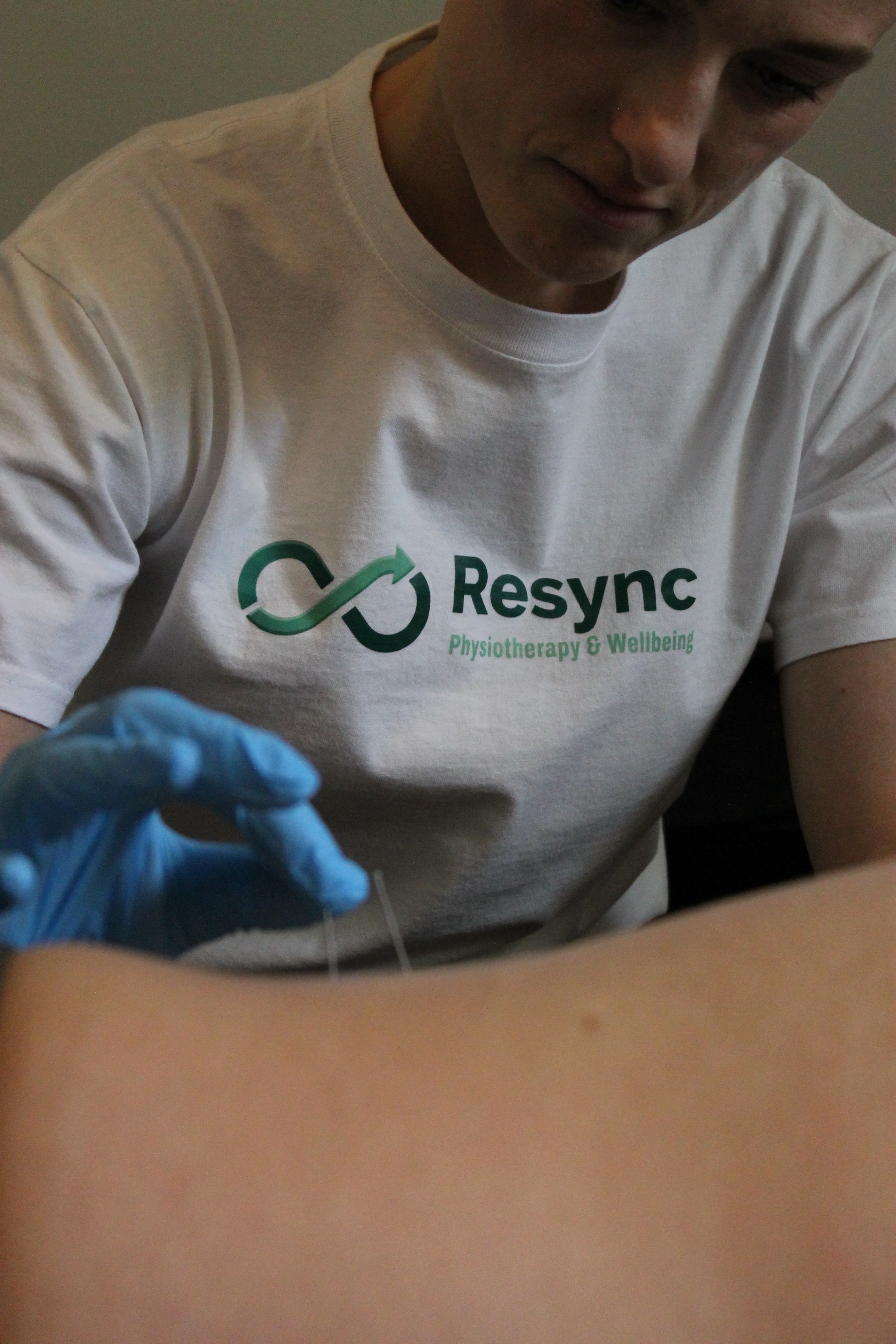
For any runner or athlete, being sidelined with an injury is one of the most frustrating experiences. That nagging pull in the back of your thigh, the sharp pain when you try to accelerate—a hamstring strain can feel like a roadblock you just can’t get past. Like many local athletes, you might be telling yourself that a bit of rest is all you need. But when days turn into weeks and you’re still not back to your best, it’s clear that waiting it out isn't a strategy for a real comeback.
Why 'Just Resting' Is Often the Wrong Advice
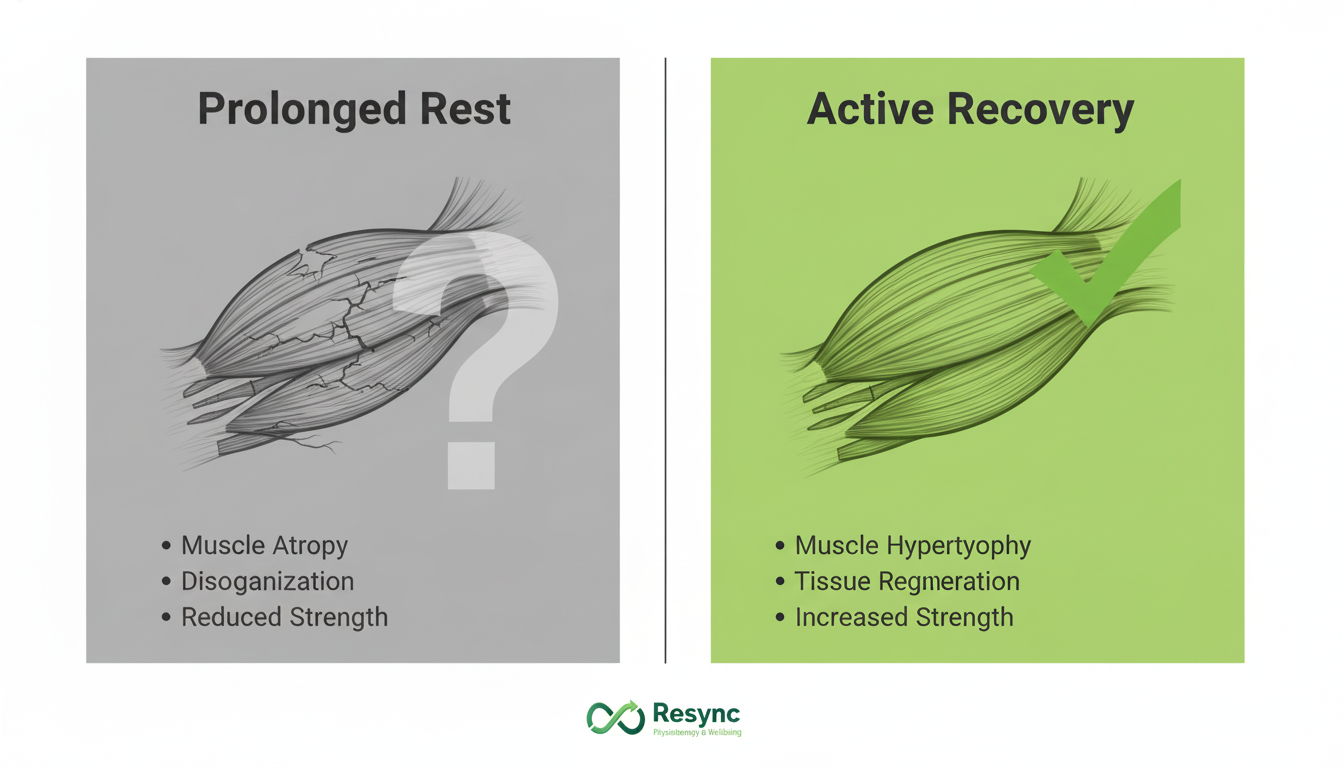
The common wisdom to 'just rest' a muscle strain seems logical, but for a hamstring injury, it’s often counterproductive. While initial rest is crucial to manage inflammation, prolonged inactivity can do more harm than good. When you completely stop using the muscle, it begins to weaken and lose mass—a process called atrophy. Furthermore, the scar tissue that forms during the healing process can be stiff and disorganised if it isn't guided by gentle, controlled movement. When you eventually return to running or football, this weaker, less flexible muscle is significantly more prone to being injured all over again, creating a frustrating cycle of pain and recovery.
The Role of an Expert Physio in Diagnosis
A true recovery starts with understanding why the injury happened in the first place. Was it a sudden overload, or is there an underlying issue? This is where an expert physiotherapist is invaluable. At Resync Physiotherapy, we conduct a comprehensive assessment that goes far beyond simply poking the sore spot. We analyse your running gait, assess your pelvic stability, and check for muscle imbalances. Often, a hamstring strain is a symptom of another problem, such as weak glutes or a stiff lower back, which forces the hamstrings to overwork. By identifying the root cause, we can create a treatment plan that not only heals the current injury but also corrects the underlying biomechanical issues to prevent it from coming back.
Active Recovery & Targeted Strengthening
Once we have a clear diagnosis, the journey shifts to active recovery. This isn't about pushing through pain; it’s about applying the right load at the right time to promote strong, functional healing. Your personalised plan will progress from gentle, pain-free movements designed to restore mobility and activate the muscle, to more advanced, targeted strengthening exercises. This could include:
**Isometric holds:** Contracting the hamstring muscle without moving the leg to build initial strength without straining the tissue.
**Glute bridges:** Activating the glutes to ensure they are doing their job, taking the pressure off the hamstrings.
**Eccentric exercises:** Lengthening the hamstring muscle under load (like Nordic hamstring curls), which is crucial for building resilience and preventing future strains during sprints and kicks.
This structured, evidence-based approach ensures you are building a stronger, more resilient foundation for your return to sport.
Your Path Back to Peak Performance
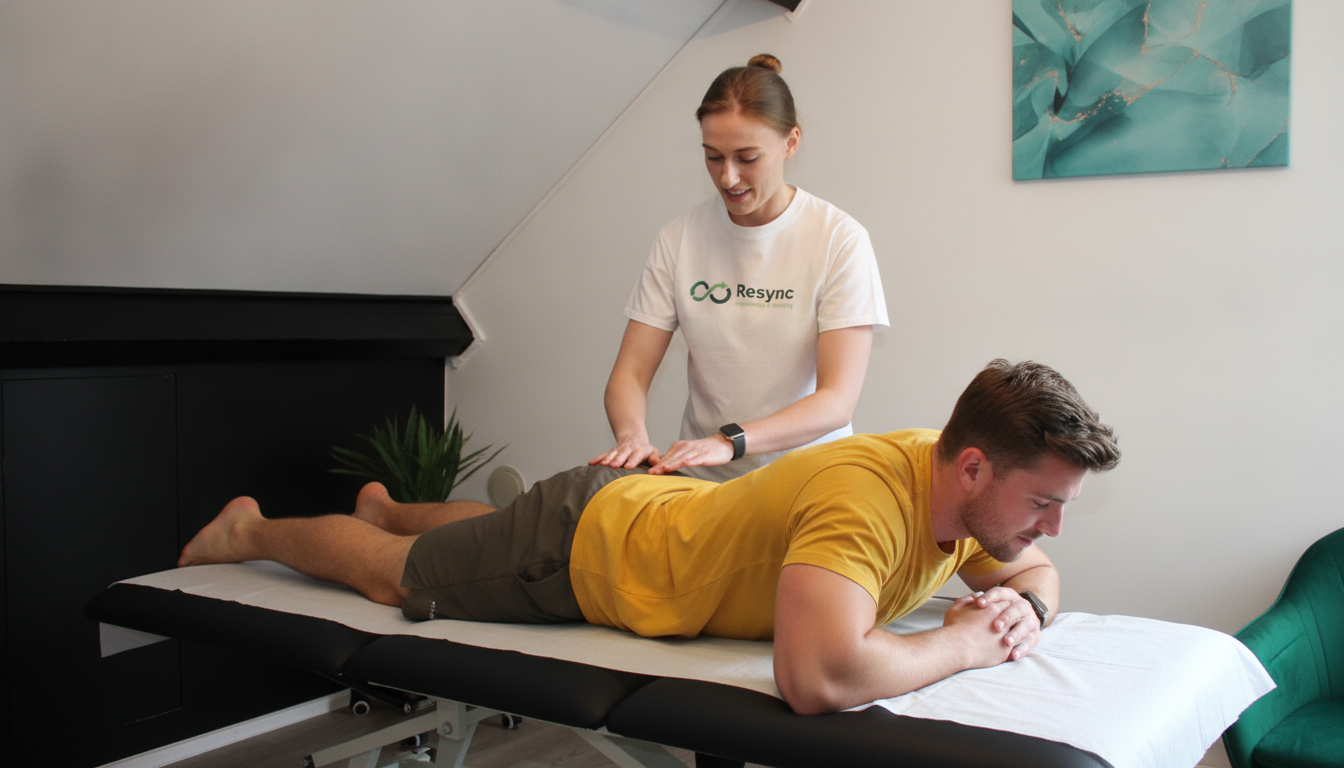
Getting back to your sport isn’t a single leap; it’s a phased, confident progression. Your physiotherapist acts as your guide on this path. The journey typically moves through several key stages, starting with restoring pain-free daily movement. From there, we focus on rebuilding strength and control equivalent to your uninjured side. The final and most crucial phase is a gradual, planned reintroduction to sport-specific movements. This means starting with light jogging, progressing to running at various speeds, and eventually incorporating drills like sprinting, cutting, and kicking. By following this structured plan, you’ll return to the pitch or the track not with fear and hesitation, but with the confidence that your body is prepared for the demands of your sport—stronger and more resilient than before.
Stop letting that hamstring strain dictate your activity levels. The cycle of resting and re-injuring yourself ends when you choose a proactive, expert-led approach to recovery. If you're tired of being on the sidelines and ready to build a clear path back to health, it’s time to get a professional diagnosis and a personalised plan. Take the first step towards your comeback by booking an initial assessment with our expert team today, and let's get you back to moving and performing at your best.