For any dedicated athlete, being sidelined by an injury is one of the biggest frustrations. The itch to get back to your sport, the desire to rejoin your team, and the drive to compete can be overwhelming. While this passion is what makes you an athlete, it can also lead you down a path of common recovery errors that not only prolong your time away but can also lead to a frustrating re-injury. Navigating the journey back to peak performance requires more than just waiting for the pain to fade; it demands a smart, strategic approach. This guide is designed to help athletes in Balsall Common and Solihull avoid the five biggest mistakes we see when returning from an injury, ensuring your comeback is both successful and sustainable.
Mistake 1: Returning to Full Intensity Too Soon
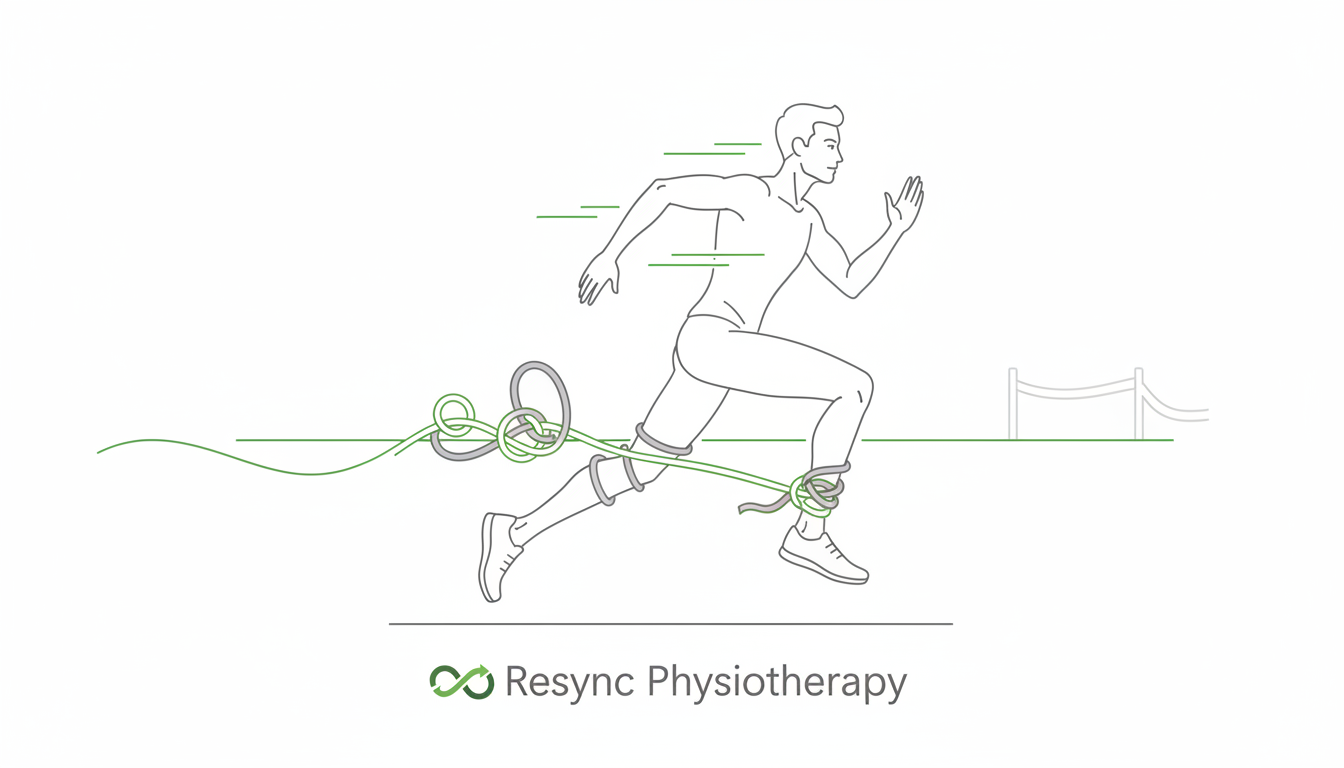
The most common mistake is driven by pure enthusiasm: jumping back into training at 100% the moment the sharp pain subsides. It's crucial to understand that the absence of pain doesn't equal full recovery. Injured tissues—muscles, tendons, and ligaments—go through a complex healing process where they remodel and regain their strength. Rushing this phase is like trying to run on a foundation that's not fully set. You risk creating micro-tears in the healing tissue, triggering inflammation, and setting your recovery back by weeks or even months. A gradual, progressive return is essential to allow the tissue to adapt and rebuild the resilience needed for high-intensity activity.
Mistake 2: Neglecting the Root Cause
Pain is a signal, but it's very often just a symptom of a deeper issue. Your calf might hurt because your hip lacks mobility, or your shoulder might be in pain due to poor core stability. Simply resting the painful area without addressing the underlying cause is like patching a leak without fixing the faulty pipe. Re-injury becomes almost inevitable. A thorough assessment from a physiotherapy expert can identify these biomechanical weaknesses or movement pattern dysfunctions. By addressing the root cause, you not only fix the current problem but also build a more robust and injury-resistant body for the future.
Mistake 3: Skipping Sport-Specific Drills
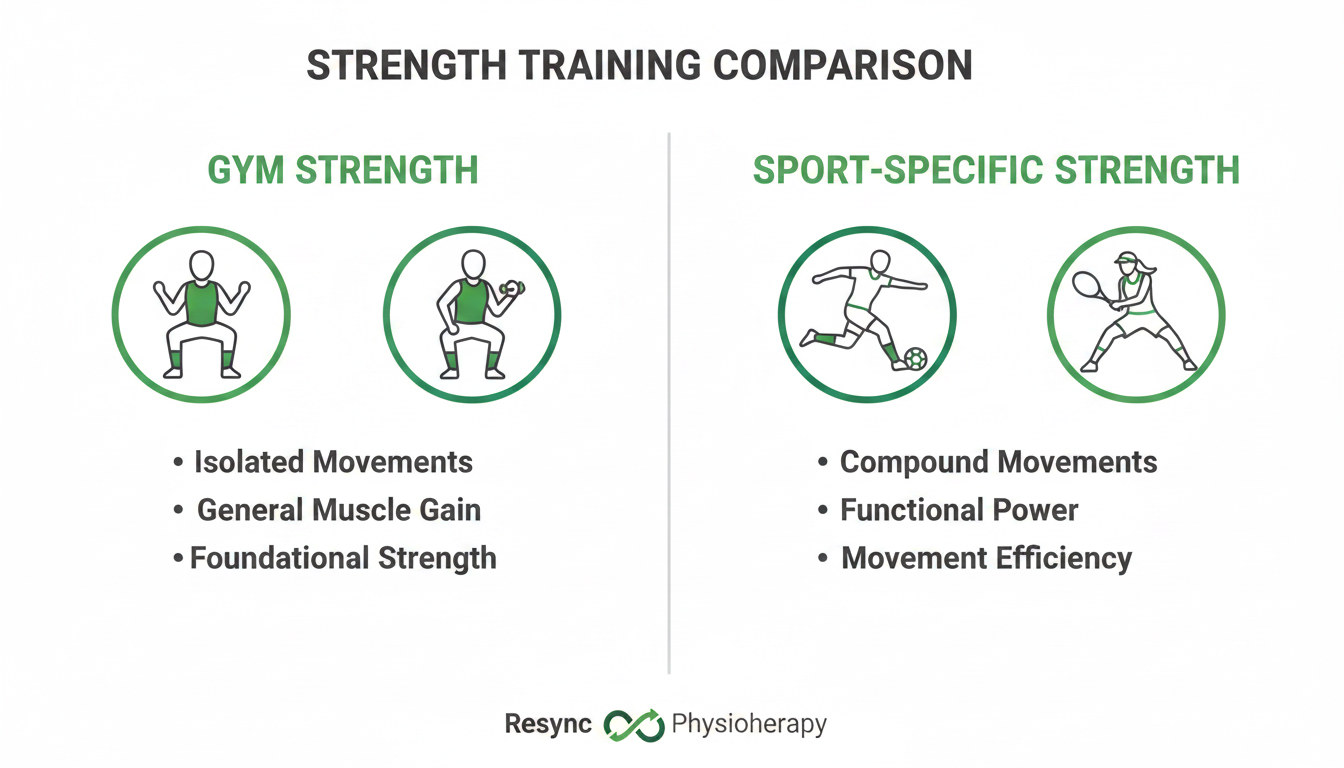
Months of dedicated strength training in the gym are fantastic for rebuilding muscle, but a heavy squat doesn't automatically prepare you for the chaotic, multi-directional demands of football, rugby, or netball. Being 'gym strong' is very different from being 'match-fit'. Your body needs to relearn and regain confidence in sport-specific movements: cutting, pivoting, jumping, decelerating, and reacting to unpredictable situations. Integrating drills that mimic the specific demands of your sport is a non-negotiable phase of rehabilitation. This neuromuscular retraining ensures your body can handle the unique stresses of competition, dramatically reducing the risk of re-injury when you finally step back on the pitch or court.
Mistake 4: Poor Load Management
'Load' refers to the total physical stress placed on your body from training and competition. This includes factors like duration, intensity, and frequency. A healing injury has a reduced capacity to handle load. One of the biggest mistakes athletes make is creating a sudden, massive spike in this load. For example, going from one 30-minute gentle jog a week to three 60-minute intense training sessions. This sudden increase can easily overwhelm the tissue's capacity to adapt, leading to a flare-up. Effective recovery involves a carefully managed and incremental increase in load, allowing the body to adapt and grow stronger without being pushed past its breaking point.
Mistake 5: Not Seeking Expert Guidance
In the age of endless online information, it's tempting to self-diagnose and follow a generic recovery plan from the internet. However, this approach is fraught with risk. Every injury is unique, and every athlete's body is different. A qualified physiotherapist provides what a search engine cannot: an accurate diagnosis, a personalized treatment plan based on evidence, and objective milestones to guide your progression. They act as your expert co-pilot, telling you when it's safe to push forward and when you need to ease back. This structured guidance removes the guesswork, instills confidence, and provides the safest, most efficient path back to the sport you love.
Your Smartest Comeback Starts Here
Returning to sport after an injury is a journey with many potential pitfalls. Rushing back, ignoring the underlying cause, skipping crucial drills, mismanaging your training load, and relying on guesswork can all lead to frustrating setbacks. A successful comeback is a smart one, built on a foundation of patience, strategy, and expert support. Don't let these common mistakes sideline you for longer than necessary. If you're an athlete in Solihull ready to build a strategic and confident comeback, book your initial assessment with us. We'll help you create a personalised plan to recover, move, and perform at your best.