Introduction
The moment an athlete can start thinking about returning to their sport after an injury is filled with a mix of excitement and apprehension. You can almost feel the turf under your feet or the finish line in sight. However, this eagerness can often lead to the most common and frustrating mistake: doing too much, too soon. Pushing your body before it's truly ready doesn't just delay your recovery; it significantly increases the risk of re-injury, potentially sidelining you for even longer. A successful comeback isn't about rushing back; it's about a smart, strategic, and phased return that builds a resilient foundation for future performance.
Phase 1: Restoring Foundational Movement & Strength
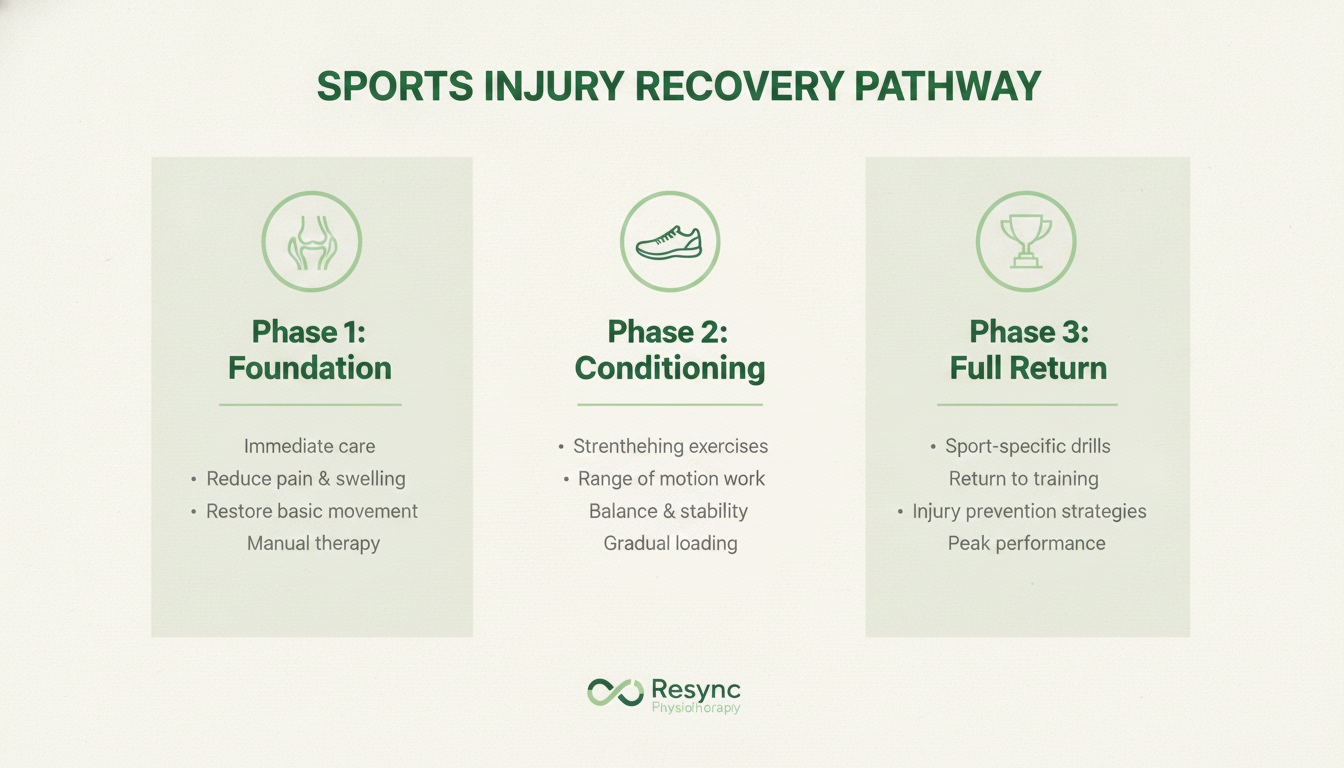
Before you can even think about sprinting, jumping, or tackling, you must first rebuild your foundation. This initial phase is arguably the most critical and is dedicated entirely to creating a stable and controlled platform for recovery. The primary goal here is to regain your full, pain-free range of motion in the injured area. This involves gentle, targeted exercises prescribed by a physiotherapist to ensure the joint and surrounding tissues heal correctly without stiffness. Alongside mobility, we focus on re-activating and strengthening the supporting muscles in a safe, controlled environment. This isn't about lifting heavy weights; it's about precise movements that build baseline strength and endurance, ensuring your body is prepared for the more demanding work to come.
Phase 2: Sport-Specific Conditioning
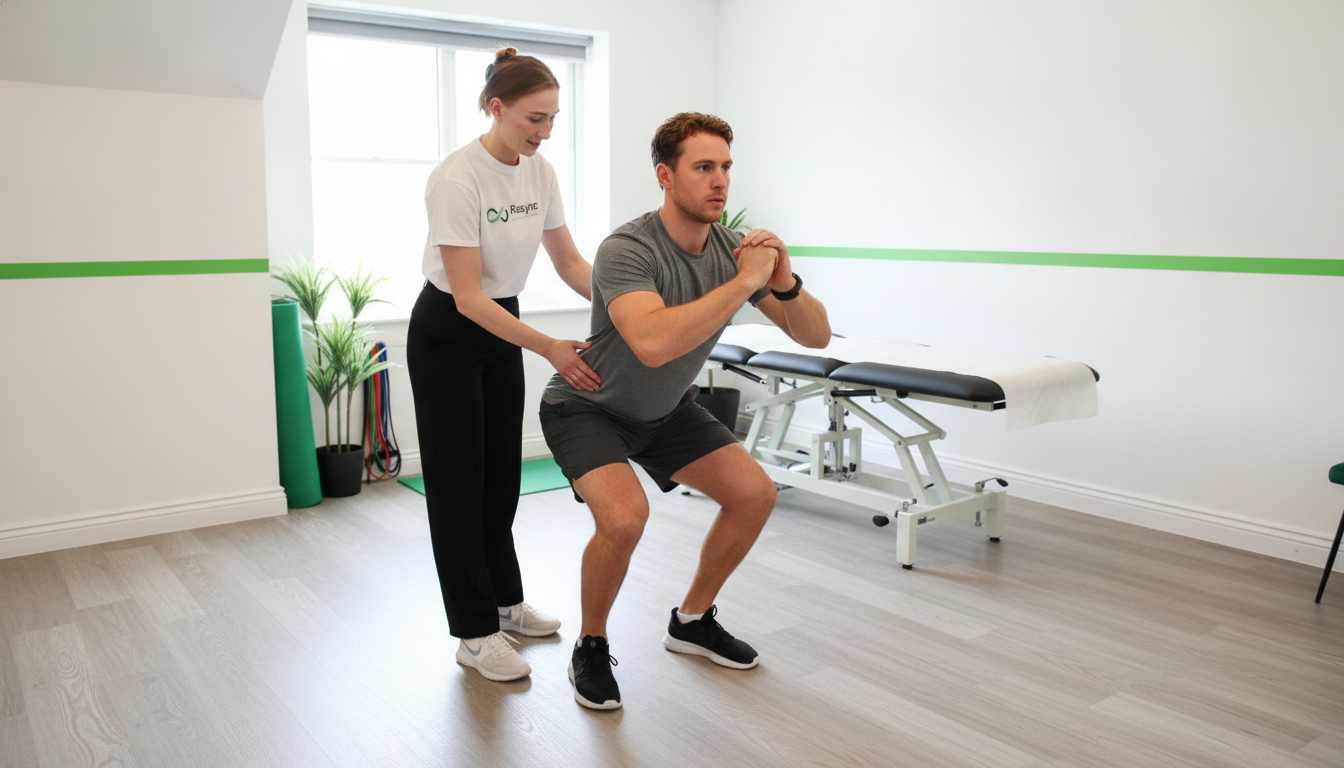
Once you have a solid, pain-free foundation of movement and strength, it's time to bridge the gap between the clinic and the playing field. Phase 2 involves gradually reintroducing movements that are specific to your sport. For a runner, this might start with a walk-jog program, slowly increasing the duration and intensity of running intervals. For a footballer, it could involve starting with basic dribbling and passing drills before progressing to more dynamic agility work and changes of direction. A core principle of this phase is load management—carefully monitoring how your body responds to the increased activity. It's crucial to listen to your body, paying close attention to any pain, swelling, or excessive fatigue. This methodical progression retrains your body's movement patterns and builds the sport-specific fitness needed for a safe return.
Phase 3: The Full Return & Performance Enhancement
The final phase is what you've been working towards: returning to full, unrestricted activity. This means rejoining team training, participating in practice games, and finally, stepping back into competitive play. However, the journey doesn't end here. This is also the perfect opportunity to focus on optimising your performance and minimising the risk of future injuries. Physiotherapy at this stage shifts from rehabilitation to performance enhancement. We can help you identify and correct any subtle biomechanical issues, improve your technique, and develop advanced strength and conditioning programs that make you a more resilient and powerful athlete. The goal is not just to return to your previous level, but to come back stronger, faster, and more confident than before.

Conclusion
Navigating the path back to your sport after an injury requires patience, strategy, and expert guidance. By following a structured, three-phase approach, you replace guesswork with a clear plan that prioritises long-term health and peak performance. Instead of risking a frustrating setback by rushing the process, you can build a robust foundation that not only ensures a full recovery but also helps prevent future injuries. At Resync Physiotherapy, we are your expert partners in this journey. We are dedicated to guiding local athletes in Balsall Common and Solihull through each phase, providing personalised, evidence-based care to help you recover, move, and perform at your absolute best.
Don't leave your comeback to chance. A successful return to sport starts with a professional assessment and a personalised recovery plan tailored to your specific injury and goals. Book your Initial Assessment with us today and take the first confident step back to the sport you love.