Introduction: The Most Frustrating Advice
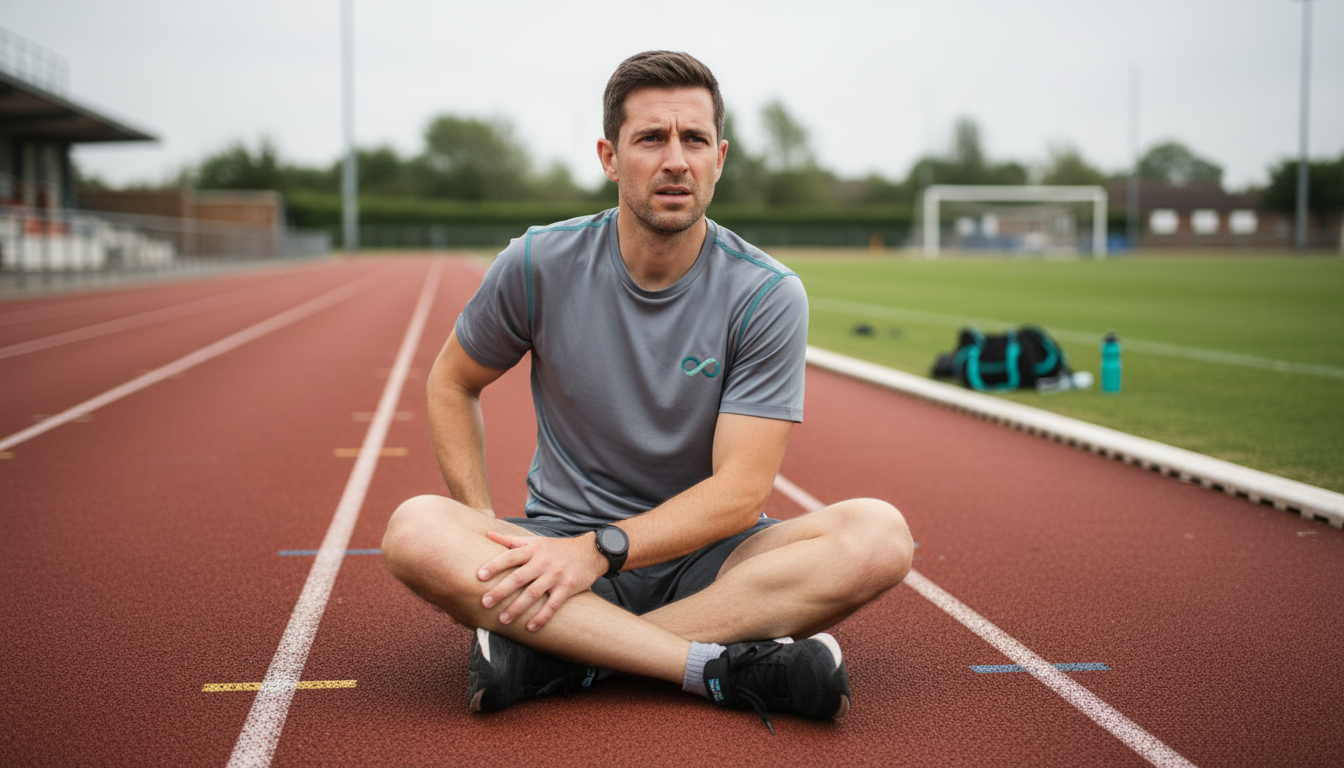
For any dedicated athlete or active individual in Balsall Common and Solihull, hearing the words 'just rest' after an injury can feel like a sentence, not a solution. The idea of sitting on the sidelines, watching your fitness decline while you wait for your body to heal, is mentally and physically taxing. While rest is a component of recovery, it's rarely the full picture. There's a smarter, more proactive approach that can help you heal faster, stronger, and more confidently. It’s time to move beyond passive waiting and explore the power of active recovery.
The Downside of Complete Rest
Prescribing complete rest for a sports injury is an outdated approach for a reason. While it prevents further aggravation, prolonged inactivity comes with a host of negative consequences that can actually slow down your return to peak performance.
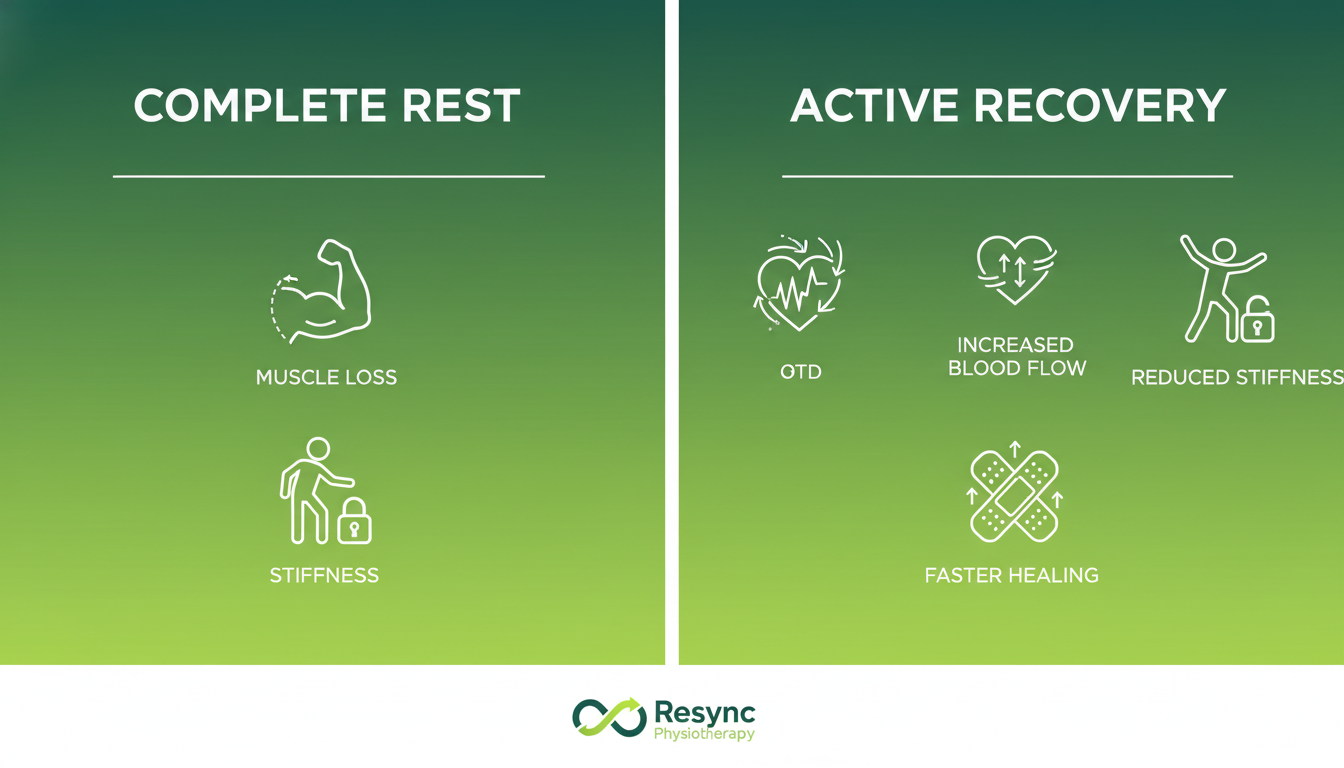
**Muscle Atrophy:** Unused muscles begin to weaken and shrink in as little as a few days. This means that when you're finally cleared to move, you're not just healing an injury—you're also rebuilding lost strength.
**Joint Stiffness:** Immobilisation leads to stiff joints and decreased range of motion, which can create new problems and make it harder to move correctly and efficiently later on.
**Reduced Blood Flow:** Movement is essential for circulating oxygen-rich blood and nutrients that are vital for tissue repair. Complete rest can stagnate this natural healing process.
**Mental Toll:** Being inactive can be incredibly frustrating. It can lead to feelings of anxiety, loss of identity, and a fear of re-injury, creating psychological hurdles that are just as challenging as the physical ones.
What is Active Recovery?
Active recovery is the opposite of doing nothing. It’s a therapeutic, evidence-based approach that involves using specific, gentle, and controlled movements to stimulate the body’s natural healing mechanisms. The goal isn't to push through pain but to work with your body to accelerate repair and maintain function in the surrounding areas. By promoting blood flow to the injured site, reducing inflammation, and preventing the stiffness and weakness associated with immobility, active recovery helps you heal more effectively. It’s about making smart, targeted efforts that keep you engaged in your own comeback story.
How a Physio Guides Active Recovery
Embarking on active recovery alone can be risky. Doing the wrong exercise or too much too soon can set you back significantly. This is where expert guidance is non-negotiable. A qualified physiotherapist acts as your recovery strategist. The process begins with a comprehensive assessment to accurately diagnose the injury and understand its severity. Based on this expert analysis, a physiotherapist designs a personalised recovery plan that is unique to your body, your injury, and your performance goals. They will prescribe the right exercises at the right time, ensuring each movement is safe, beneficial, and perfectly calibrated to your current stage of healing. This tailored approach removes the guesswork and empowers you to recover with confidence.
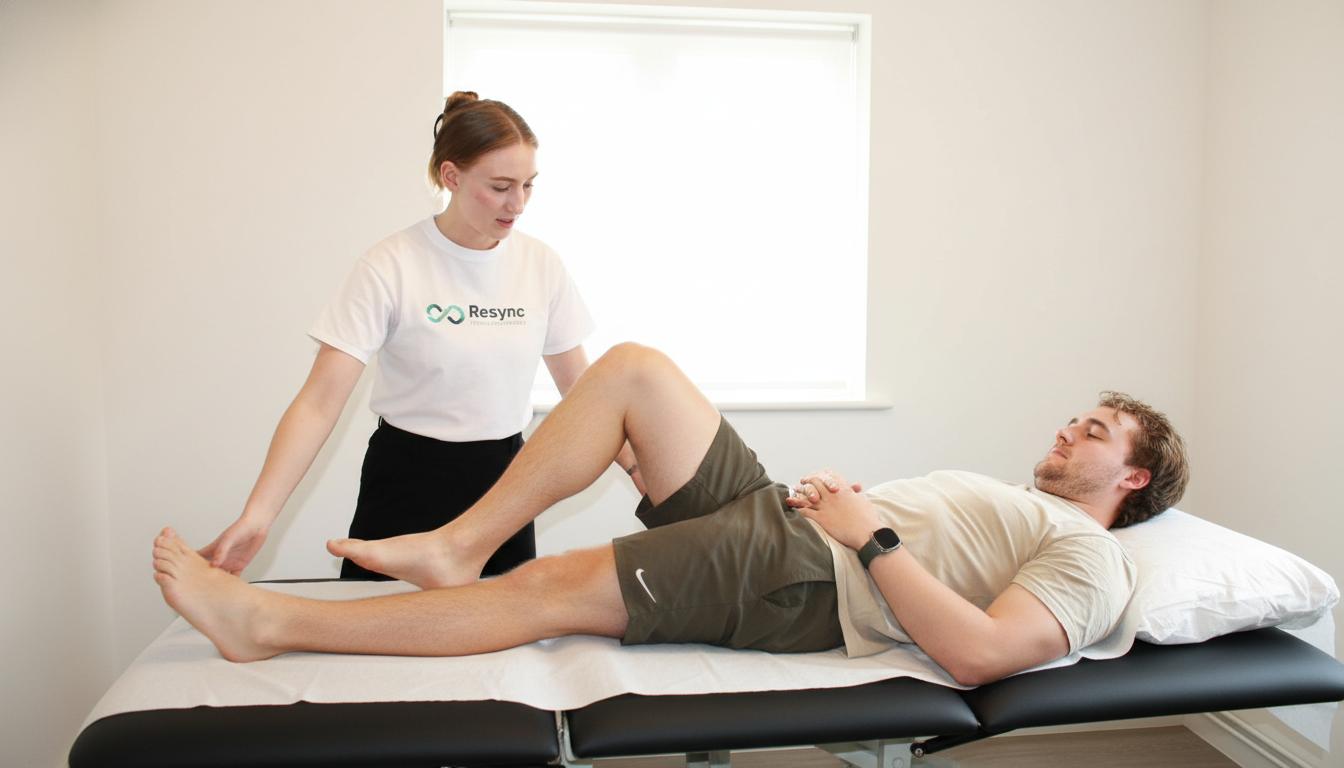
Examples of Active Recovery
So, what does active recovery actually look like in practice? It's a combination of therapies and exercises designed to promote healing and build resilience. Your personalised plan might include:
**Hands-On Therapy:** Techniques like sports massage can help release muscle tension, break down scar tissue, and improve circulation to the injured area.
**Mobility Drills:** Gentle, controlled movements designed to maintain or improve the range of motion in the affected joint without putting stress on the healing tissues.
**Targeted Strengthening:** While the injured area rests, a physio will often prescribe exercises to strengthen the supporting muscles around it. For a hamstring strain, this might involve core and glute strengthening to improve stability and prevent re-injury.
**Low-Impact Cardiovascular Exercise:** Activities like swimming or stationary cycling can maintain your cardiovascular fitness without impacting the injury, helping you stay fit while you heal.
Take Control of Your Comeback
Don't let a sports injury leave you feeling powerless. Waiting on the sidelines is not the only option. By embracing an active recovery strategy, you can take control, partner with your body's healing process, and build a stronger, more resilient foundation for the future. This proactive approach not only helps you return to your sport faster but also equips you with the knowledge and strength to help prevent injuries down the line. If you're tired of being told to 'just rest' and are ready for a clear, expert-led plan to get back to peak performance, we're here to help. Book your initial assessment at Resync Physiotherapy and let's start your comeback story today.