It’s a familiar story for anyone who loves to stay active. Whether you’re a runner, a weekend footballer, or a dedicated gym-goer, you push yourself, and one day you feel it—a twinge, a dull ache, a sudden sharp pain. The immediate question that pops into your head is, “Is this serious?” It’s incredibly tempting to brush it off, rest for a day or two, and hope it disappears as quickly as it came. The “wait and see” approach feels like the easiest option, but all too often, it’s a gamble with your long-term health and performance.

Red Flag Signs You Shouldn't Ignore
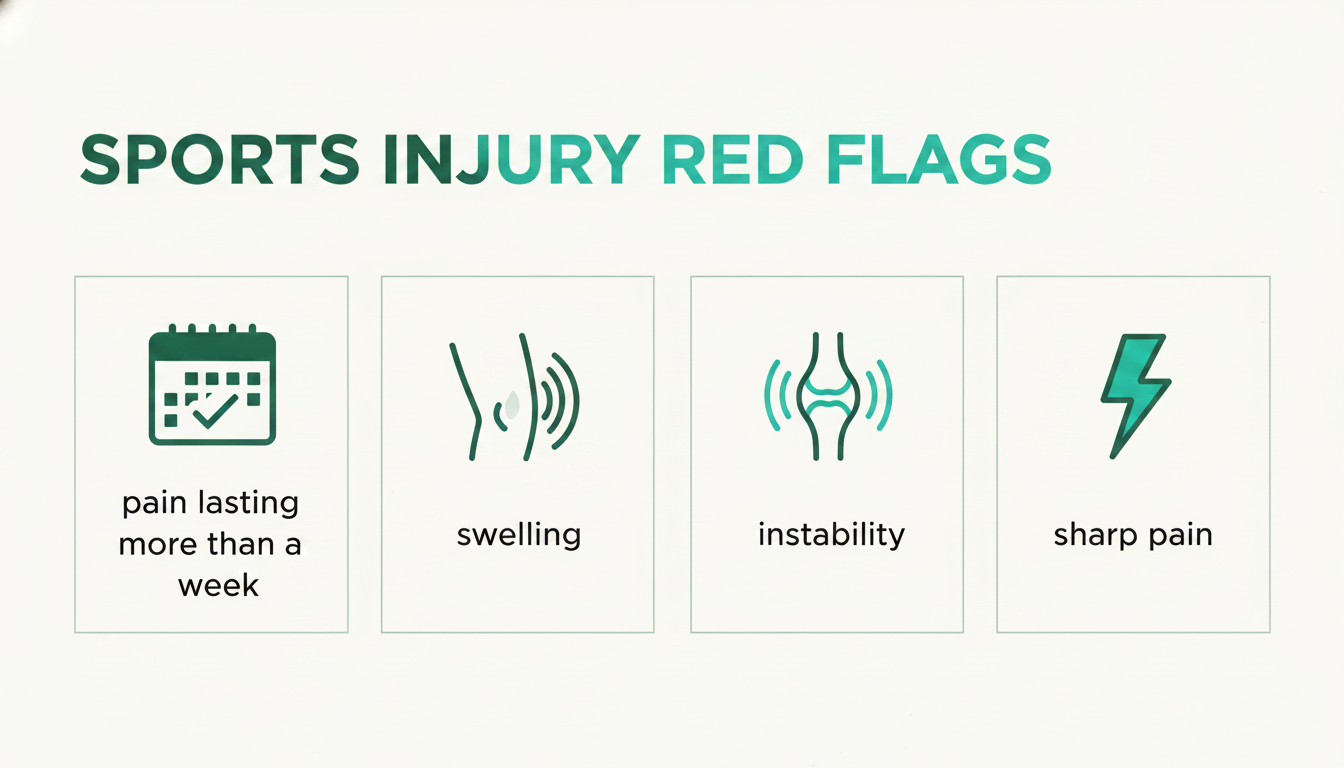
While some minor muscle soreness is a normal part of an active lifestyle, certain symptoms are your body’s way of telling you that something is wrong and needs professional attention. Ignoring these red flags can lead to more significant problems down the line. If you experience any of the following, it’s time to book an assessment with a physiotherapist:
**Pain that lasts more than a few days:** If the pain hasn't started to improve within 48-72 hours, it's unlikely to resolve on its own.
**Pain that gets worse with activity:** Does your run start fine but end in agony? Does lifting a certain weight trigger the same sharp pain every time? This is a clear sign of an underlying issue.
**Noticeable swelling, bruising, or redness:** These are classic signs of inflammation and tissue damage that require a proper diagnosis.
**A feeling of instability:** If a joint feels like it might 'give way' or you feel unsteady on your feet, it could indicate ligament damage.
**Sharp, shooting, or radiating pain:** Pain that travels from one area to another can signal nerve involvement.
**Inability to bear weight:** If you can’t put your full weight on the injured limb, you need an immediate professional opinion.
The Hidden Costs of Delaying Treatment
Waiting too long to address a sports injury does more than just prolong the discomfort. When you're injured, your body naturally tries to protect the painful area by changing how you move. This is called compensation. You might start limping to offload a sore ankle or use your back more to avoid shoulder pain. While this feels helpful in the short term, these compensatory patterns can lead to a cascade of new problems, including muscle imbalances and strain on other joints.
A minor muscle strain that could have been resolved in a few sessions can escalate into a chronic, nagging issue that sidelines you for months. Your performance will inevitably decline, and the frustration of being unable to do what you love can take a significant mental toll. Ultimately, the recovery period for a chronic injury is always longer and more complex than for an acute one treated early.
What to Expect from Your First Physio Assessment
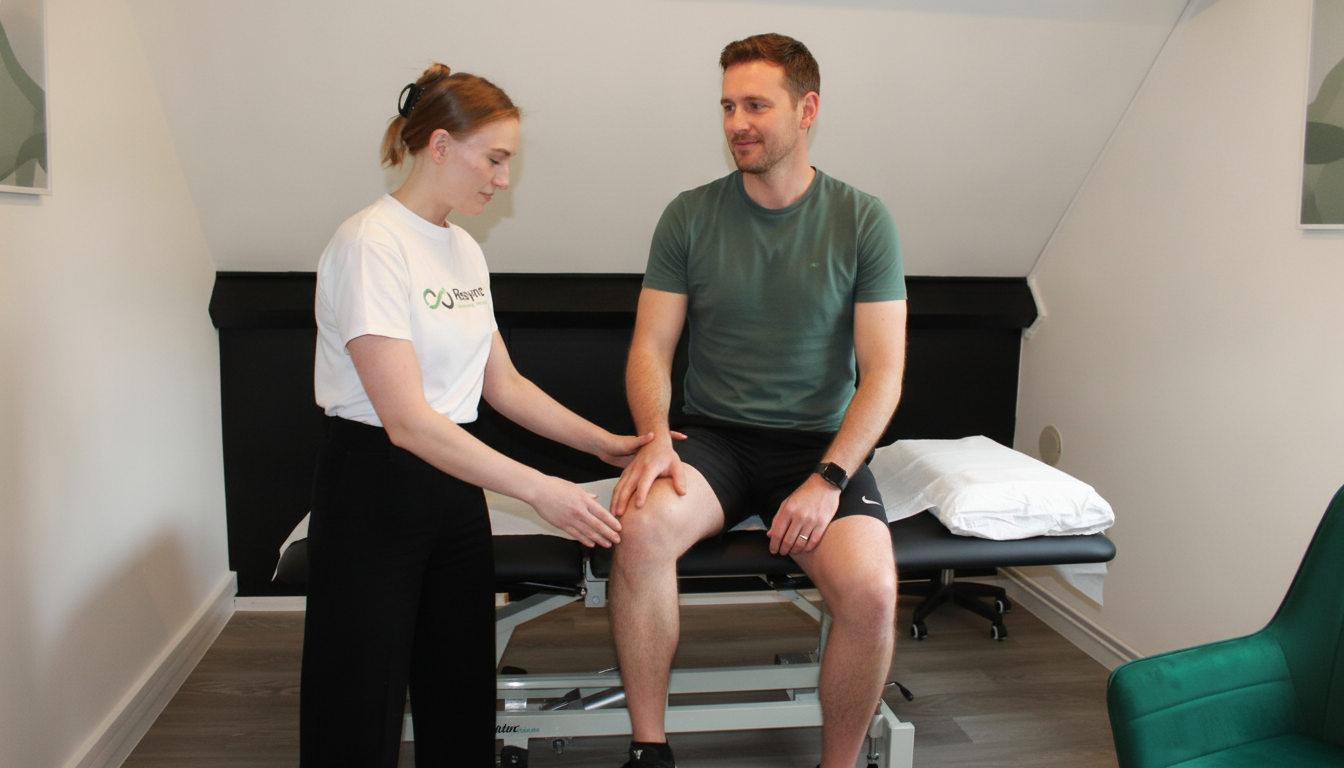
Deciding to see a physiotherapist can feel like a big step, but it’s the most proactive thing you can do for your recovery. The goal of the initial assessment is to remove the guesswork. At Resync Physiotherapy, we don't just treat the symptoms; we find the root cause of your pain. Your first appointment involves a comprehensive evaluation where we'll listen to your story, understand your goals, and perform a series of physical tests to assess your movement, strength, and the specific site of injury.
Based on this thorough diagnosis, we'll explain exactly what's going on in clear, simple terms. You'll leave your first session not with more questions, but with a clear understanding of your injury and a personalised, evidence-based treatment plan. This plan will include hands-on therapy to alleviate pain and restore movement, along with a tailored exercise program designed to build long-term strength and prevent re-injury, creating a clear path back to health.
Get Back to Your Best, Faster
Ultimately, seeking an expert diagnosis is the single most effective step you can take to ensure a swift and complete recovery. Don't let a nagging injury become a long-term roadblock that keeps you from your goals. Investing in a professional assessment early on saves you time, frustration, and the risk of further damage. It’s an investment in your long-term health, allowing you to return to the activities you love with strength and confidence.
Stop guessing and start your recovery today. If you're an athlete or active individual in Balsall Common or Solihull struggling with an injury, we can provide a clear diagnosis and a tailored plan to get you back to your best. Book your initial assessment with Resync Physiotherapy and take the first step on your comeback story.